Rummy How-To: Create a Hand Layout That Reveals Connections
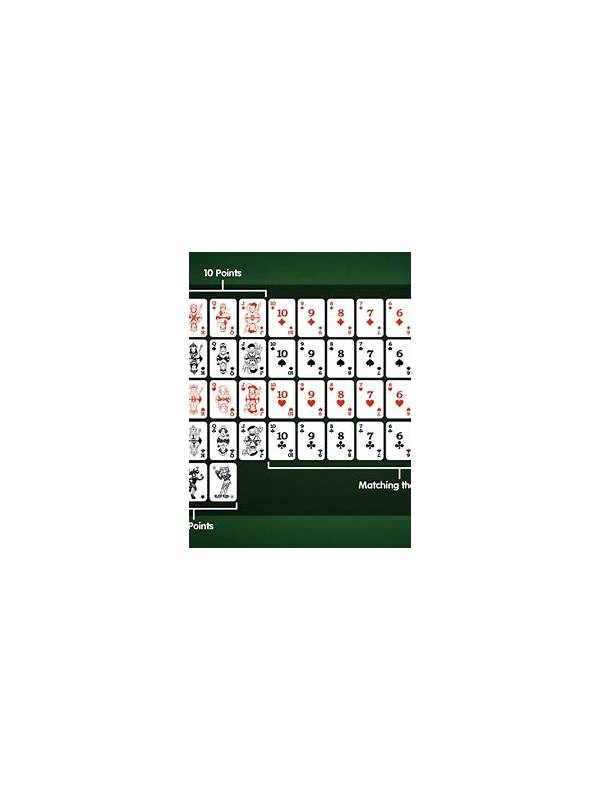
Organizing a rummy hand is not merely a matter of making the cards look tidy. A clear layout reduces the number of relationships you must hold in your head at once. It can show which cards already belong together, which cards are waiting for one useful connection, and which cards have no convincing role. That clarity is useful when the table is moving quickly.
Begin with a consistent rule. Many players sort by suit and then by rank, while others place likely groups together first. Either method can work if you use it every turn. In a suit-first layout, leave a small gap between suits and keep ranks in ascending order. In a group-first layout, place confirmed sequences on one side, possible sequences in the middle, and isolated cards on the other. Avoid changing systems simply because the current hand feels awkward.
Next, mark uncertainty with position rather than with extra notes. A pair that could become a sequence can sit between completed groups and loose cards. A single card that fits two possible plans should remain visible instead of being buried inside a near-group. The aim is to make unfinished work obvious. If every card is placed in a neat block, you may forget which blocks are actually complete.
After each draw, move only the cards affected by the new information. If a card completes a useful run, place that run in the confirmed area. If it makes an old plan less attractive, separate the abandoned cards. This small reset prevents yesterday’s idea from controlling the next decision. It also makes it easier to compare a new connection with the cost of keeping it.
Before discarding, scan the layout in three passes. First ask whether every required valid group is still protected. Then inspect the middle area: does the new card improve an existing possibility, or merely create another attractive pair? Finally examine the isolated cards and compare their value with their connection potential. High points matter, but a low card with no realistic partner may be the more urgent problem.
Keep the layout compact enough that you can read the whole hand at a glance. Excessive spacing, decorative markers, or constant rearranging can create more distraction than help. If you play on a phone, use the game’s sorting feature only when it preserves your chosen distinctions. A layout is successful when it exposes your options, not when it looks perfect.
With practice, the routine becomes a quick visual check: confirmed groups, live possibilities, and cards that need a reason to stay. That structure does not predict the next draw, but it makes each decision easier to explain and review.