Rummy How-To: Create a Personal Rule Snapshot
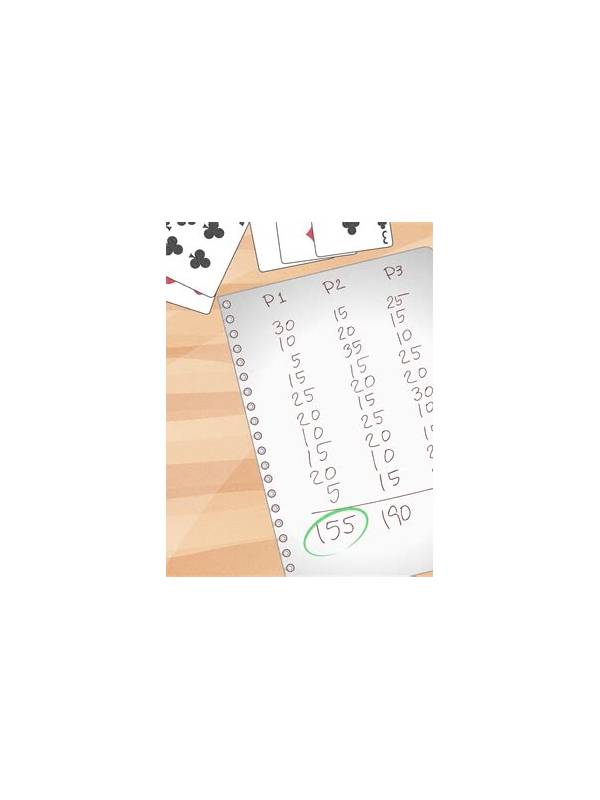
A rule snapshot is a short personal reference for a specific rummy format. It is not a replacement for the official rules. Its purpose is to keep common questions visible so you can verify them before a session instead of relying on memory during a close decision.
Begin with the format name and the date you last checked the official rule page. Then record only the points that can change how you arrange or declare a hand: hand size, required group structure, joker treatment, scoring, timer behavior, and what happens after an invalid declaration. Use the wording of the official source where possible, but keep your notes short.
Separate confirmed rules from open questions. A line marked “verify” is safer than a confident statement copied from another variant. If two tables use different settings, create two snapshots rather than combining them. Mixing formats is a common cause of avoidable mistakes.
Add a pre-game section with three checks: selected format, entry conditions, and where to find help if the table behaves unexpectedly. Do not store account passwords, payment details, or unnecessary personal information in the snapshot. A rule reference should remain harmless if someone else sees it.
Test the snapshot in a practice hand. Choose a situation that depends on one of the recorded rules and confirm that your interpretation matches the interface or official explanation. If the result differs, correct the snapshot immediately and note the source you used. Never treat another player’s chat message as the final authority for an important account or money question.
Review the reference occasionally, especially after an app update or when joining a new format. Remove obsolete lines instead of adding endless exceptions. A compact document is easier to scan when the timer is running.
A rule snapshot improves preparation, not certainty. It helps you notice when a question is about the rules rather than strategy. That distinction prevents confident analysis built on the wrong variant and makes learning more efficient.
Keep a separate note for general strategy ideas. Mixing strategy with fixed rules can make a preference look mandatory. The snapshot should answer “what is allowed and how is it scored?” Strategy notes can then explore “what might be useful?” without confusing those kinds of knowledge.
Store the snapshot where you can reach it before play, but do not keep it open in a way that obscures the table or slows a decision. Preparation should reduce uncertainty before the hand, not create distraction during it.