Rummy How-To: Create a Simple Pre-Session Readiness Check
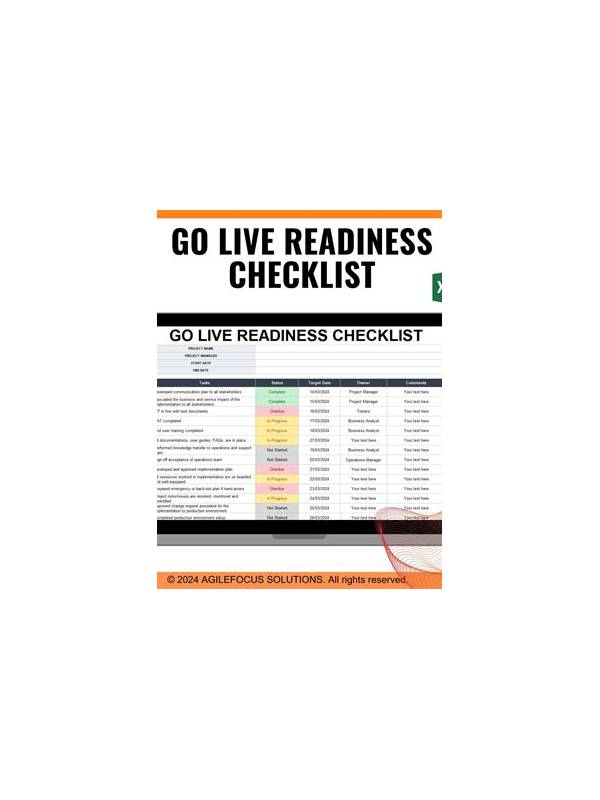
A pre-session readiness check takes less than a minute and can prevent a poorly timed game. It is not a prediction of performance. It is a practical check of whether you are able to play with attention and within the limits you chose beforehand.
Check three areas: time, attention, and boundary. For time, ask whether you can finish the planned session without rushing into another obligation. For attention, ask whether you are tired, upset, distracted, or trying to multitask. For boundary, confirm the maximum amount of money and the stopping time you are willing to use. If any answer is unclear, delay the session or choose a non-monetary practice mode.
Keep the check visible. A note near your device can say: planned duration, spending limit, and stop signal. The wording should be specific enough to act on. “Play responsibly” is too broad; “stop at 30 minutes or when the planned budget is reached” is easier to follow. Do not raise the limit during a frustrating run. Reassess later, away from the pressure of the table.
Include a basic account and device check. Use your own secure device where possible, confirm that you are using the expected app or site, and avoid entering credentials from an unexpected message. Do not share passwords or one-time codes. If an offer or payment request appears during the check, treat it as a separate decision and verify it independently.
After the session, ask whether the check predicted your ability to stay within the plan. If you repeatedly start while tired or extend sessions after the stop signal, strengthen the boundary: mute promotional alerts, set a device timer, or take a longer break. A readiness check works only when it can lead to a real decision not to play.
The routine is simple by design. It protects the conditions around the game so card decisions are not mixed with fatigue, urgency, or financial pressure. Playing is optional; a clear readiness check makes that choice easier to recognize. You can make the check a yes-or-no card beside the device: enough time, clear attention, boundary set, trusted connection. If any box is unchecked, wait. The routine is not meant to shame you or predict whether you would win. It simply creates a pause between an invitation to play and a decision to begin. That pause is often enough to notice when the timing is wrong.
Use it consistently before both practice and competitive sessions.