
Rummy How-To: Make a Rule-First Discard Plan
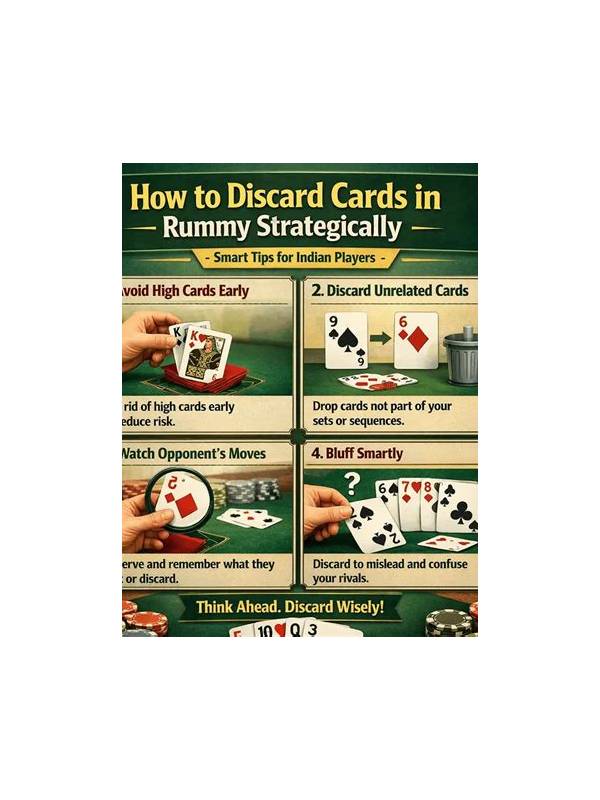
A discard plan is easier to follow when it begins with the rules rather than with card appearance. In many rummy formats, a player must complete particular kinds of sequences before a declaration can be valid. The precise requirements vary, so read the table information before playing. Once those requirements are clear, use them to rank your hand’s commitments.
Write the essential structure in plain language. For example, you might need one pure sequence and another valid sequence, with remaining cards arranged into accepted groups. Avoid assuming that a set, a joker-supported group, or a nearly complete run can substitute for an essential sequence. This first step prevents a late discovery that the hand is tidy but still invalid.
Next, separate cards into three areas: confirmed work, possible work, and unassigned cards. Confirmed work meets the rules or is very close with a sensible link. Possible work has some promise but depends on a narrow draw. Unassigned cards have no useful connection yet. When you need a discard, begin with an unassigned card, then review the weakest possible plan before touching confirmed work.
Set a checkpoint after a few turns. At that point, ask whether your essential structure is improving. If it is not, do not protect it automatically. Change the route, especially when the current plan requires a single unseen card and the hand is accumulating unrelated cards. A rule-first plan is allowed to be revised; it is not a command to chase a dead end.
Finish by checking the proposed discard against the open pile and the cards you have already seen. The check cannot reveal hidden information, but it can prevent an obvious gift. With practice, the process becomes quick: confirm the requirement, classify the hand, review the weakest route, and discard the least useful safe option. Clear rules make the decision narrower and easier to explain afterward. Do not confuse a rule-first plan with a rigid opening script. The initial hand may contain no comfortable route to the requirement you prefer. In that case, classify the best available structure, keep the review deadline, and remain willing to pivot. The rule checklist is a guardrail against invalid declarations, not a reason to ignore point cost, opponent information, or your own comfort. A calm revision is part of following the rules well.


