Rummy How-To: Run a Final Deadwood Check
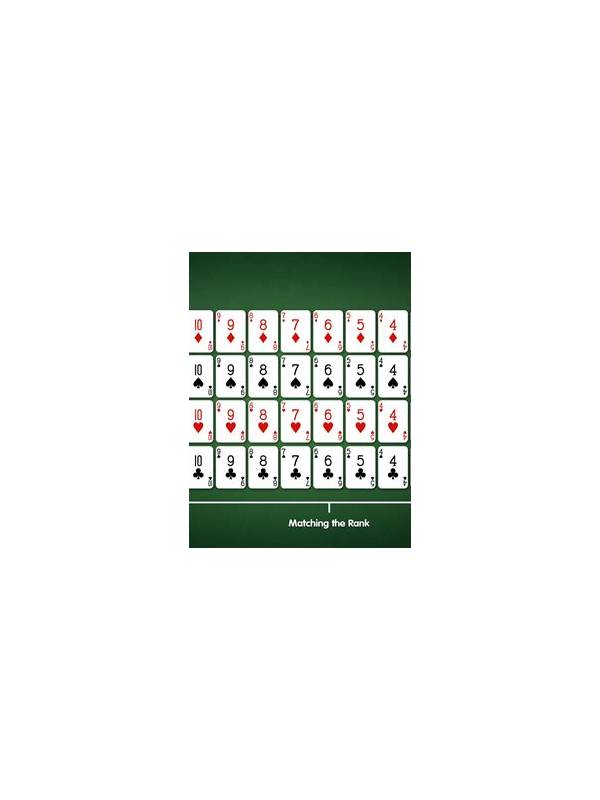
A final deadwood check is a short inspection performed after you choose a likely action but before you commit it. It is especially useful when a draw looks exciting or when the hand has been rearranged several times. The check makes sure the whole hand improved, not just one visible group.
First, count the cards that are not part of a secure group. Do not count a card as secure merely because it is close to a group. If it still needs an unseen connector, keep it in the loose-card count or mark it as developing. This distinction prevents a hopeful arrangement from hiding the hand’s actual exposure.
Second, inspect the highest-cost loose cards. Ask whether each one has a credible job, a backup job, or only a story about a future draw. A high card with two supported routes may be acceptable. A high card with one speculative route deserves attention even if it sits beside a neat-looking sequence.
Third, check for duplicate roles. Two cards may appear to support the same group, while a different card is the only bridge to another plan. If the proposed discard removes the sole bridge, the new group may not compensate for the lost flexibility. Reconsider the layout before acting.
Fourth, verify that every completed group is legal under the table’s rules and that the intended discard is actually available. Online interfaces can make a selected card look active when another card has focus. Pause long enough to confirm the action label and destination.
Finally, ask whether the new hand has a reasonable next action if the preferred draw does not arrive. This is a resilience check, not a demand for certainty. If the hand has no fallback, the action may still be right, but you should recognize the increased risk.
Keep the routine under a minute once familiar. After the hand, note which check caught a real issue. If the same issue never appears, shorten that part. If you repeatedly miss a type of loose card or rule detail, make it the first item next time. A final check works best when it is small enough to use consistently.
In an online interface, perform the check before the final confirmation rather than after clicking. If the interface supports undo, do not assume it will always be available or will restore every related choice. In a physical game, keep the loose cards visible until the action is complete. These small habits reduce errors caused by moving cards too quickly and make it easier to explain what happened if a result looks surprising.