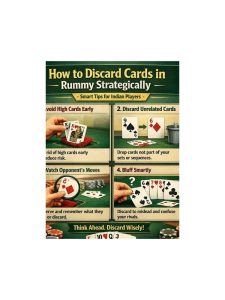
Rummy How-To: Set a Reassessment Alarm for Long Sessions
Long sessions can reduce attention gradually. You may not feel tired, yet begin missing discards, clicking too quickly, or keeping cards without a clear reason. A reassessment alarm creates a deliberate checkpoint before those habits become expensive.
Choose an interval that suits your schedule, such as twenty or thirty minutes. When the alarm sounds, do not interrupt an urgent action. Finish the current turn safely, then pause. Check your posture, water, surroundings, and emotional state. If you are irritated, distracted, or chasing a result, take a longer break.
Review the session boundary as well. Ask whether you have reached the time or spending limit set before play. An alarm is not permission to extend the session; it is a prompt to honor the limit. If the platform offers responsible-play controls, use its official tools rather than relying on willpower alone.
During the checkpoint, inspect one decision habit. Are you drawing from the discard pile without comparing alternatives? Are high cards staying in your hand because you hope for a quick rescue? Are notifications or messages changing your pace? Choose one correction for the next round, or stop if the session no longer feels controlled.
Keep the routine neutral and repeatable. The aim is not to criticize yourself or force a particular result. It is to restore awareness before continuing. A short pause can protect attention, money, and enjoyment, while making the next hand a clearer test of your decisions.
Make the alarm visible but unobtrusive. A vibration or quiet timer is often enough, and a calendar reminder can work when you play at a predictable time. If you repeatedly dismiss the alarm without pausing, shorten the interval or treat that behavior as a signal to end the session. The routine should support control, not become another notification that you automatically ignore. The routine should support control, not become another notification that you automatically ignore.
Pair the alarm with a physical reset: stand up, look away from the screen, drink water, and check the time. If you return, begin a new short block instead of assuming the earlier session can continue indefinitely. Keep the timer separate from promotional prompts so it remains a neutral signal. The point is to create a repeatable boundary that helps you stop while the choice is still easy. The point is to create a repeatable boundary that helps you stop while the choice is still easy.
If stopping feels difficult, end the session and review your limits before playing again.