Rummy Practice With Open Hands and Clear Objectives
Open-hand practice removes the mystery of hidden cards and lets you focus on decision quality. It is not a replacement for live play, but it is a useful laboratory for learning how a hand changes after each draw.
Begin with a small objective. You might practice identifying the strongest two routes, minimizing point exposure, or choosing between a visible discard and an unknown draw. Do not try to improve every skill at once. Write the objective above the hand so the exercise remains focused.
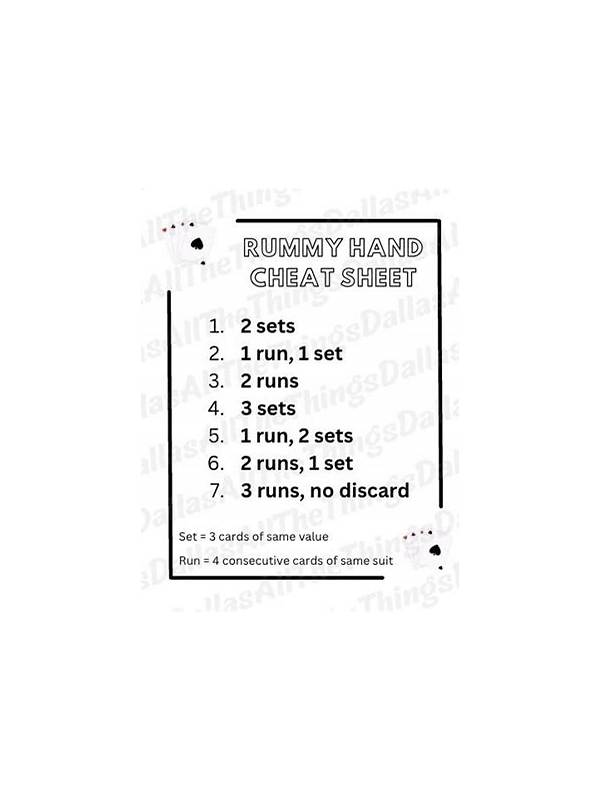
Deal or generate a position, then arrange the cards as you would at a table. List the legal structures available and mark the cards that support more than one route. Reveal a sample next card and ask what changes. Record your preferred draw and discard before looking at an alternative. This creates a decision rather than a passive puzzle.
Repeat with several different next cards, including unhelpful ones. The purpose is to test whether your plan can adapt. If one route works only when a specific card arrives, compare it with a route that improves across several possibilities. Open information makes these trade-offs easier to see.
Add a discard-history exercise after the basic version. Mark several cards as unavailable and reassess the hand. This teaches you to stop pursuing a route when evidence removes its key pieces. It also reveals whether you were relying on a card merely because it would be convenient.
Finish by writing one rule for your next live session, such as “reassess after two misses” or “count high points before releasing a connector.” Repeat the exercise with a modest timer to see which checklist step disappears under pressure. Keep the practice separate from any paid activity and treat it as study. Change only one variable at a time, and remember that open-hand practice cannot reproduce hidden information or real table pressure. Clear objectives and repeated comparisons turn open-hand exercises into practical habits. The exercise is successful when it improves a repeatable decision routine. Record the result briefly, then apply one lesson at a time. Practice should create confidence in a process, not certainty about an outcome. Repetition is useful when each exercise has a defined question. Let the answer guide one small change in future play. Over time, these small changes build a dependable routine.