Rummy Practice Signals: Know When a Drill Is Working
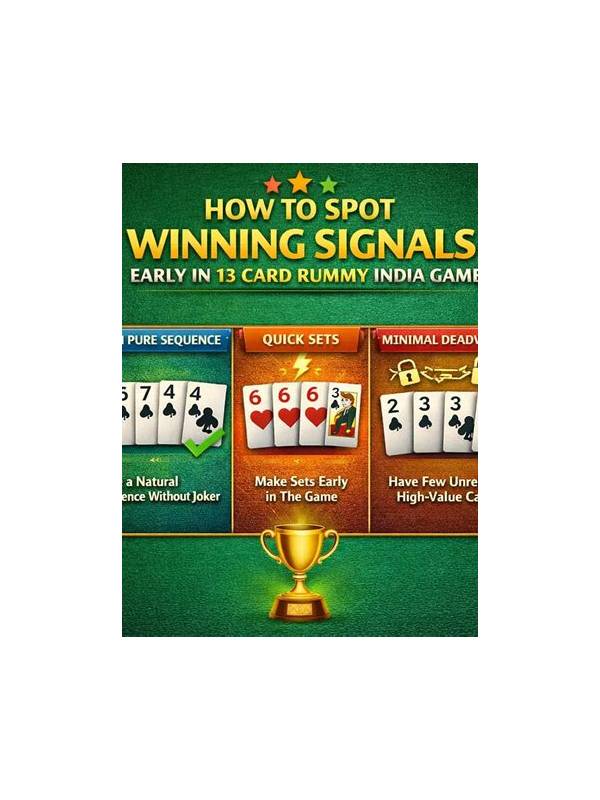
A practice drill is useful only when it produces information about a skill. Winning a few rounds can be encouraging, but it may also reflect favorable cards. Better signals are repeatable behaviors: identifying groups quickly, setting a deadline for a narrow draw, or checking a declaration without rushing. Choose a signal before you begin so the result does not decide what the drill was meant to teach.
For a grouping drill, measure time and accuracy separately. You might sort a hand into secure groups, developing groups, and isolated cards within a target time, then verify whether each label was correct. If you are fast but frequently misclassify a gap, slow down and improve the rule. If you are accurate but much too slow, repeat with fewer distractions and a consistent layout.
For a discard drill, record the reason for each choice. Use categories such as high-point reduction, weak connection, duplicate release, or protection of a required structure. The aim is not to find one magical discard. It is to see whether your reasoning is stable and whether you notice the cost of keeping the alternatives. If every decision receives the same reason, the category list may be too broad.
Keep practice sessions short enough to preserve attention. Stop when you begin clicking automatically or when frustration changes your standard. A tired drill can measure fatigue more than skill. Between attempts, change one variable only, such as timer length or screen arrangement. Changing everything at once makes improvement difficult to explain.
Review results in batches. After five or ten attempts, ask what improved, what remained inconsistent, and what mistake appeared most often. If the same error persists, simplify the drill. For example, practice spotting pure sequences before adding joker choices. Once the behavior is reliable, add one layer of complexity.
Practice is working when the desired decision becomes easier to repeat, not when every round ends well. Keep records brief, compare like with like, and treat mistakes as signals about the next exercise. This approach builds skill without turning training into another contest or encouraging unnecessary play beyond your intended time and budget. Celebrate a process improvement even when the sample result is ordinary. For example, noticing an incomplete pure sequence earlier is a real gain if the drill was designed to test recognition. Keep that observation separate from the round’s outcome, because practice should reward better decisions before those decisions produce a visible score.