
Rummy Safety Guide: Set a Stop Rule Before Playing
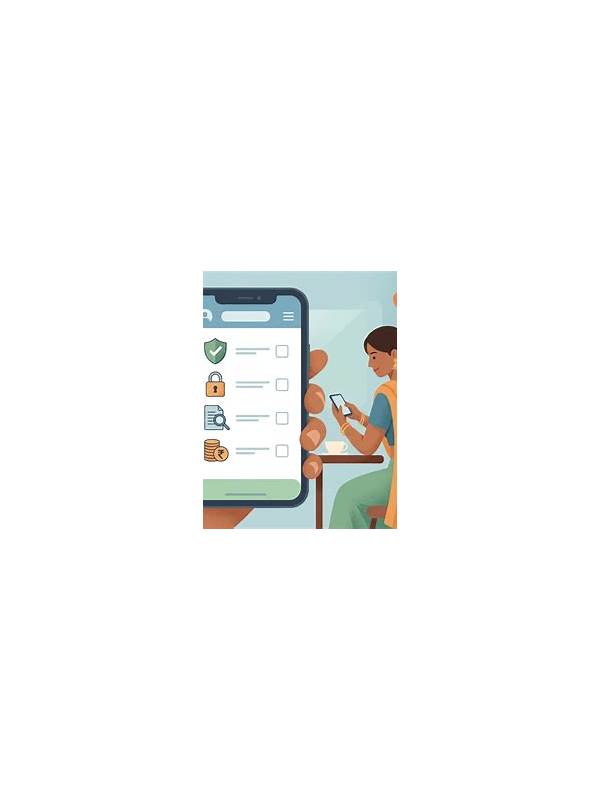
A stop rule is a simple boundary decided before a rummy session begins. It may be based on time, money, fatigue, or emotional state. The important feature is that it is chosen while you are calm, rather than negotiated after a disappointing result.
Begin with a time limit that fits your day. A short session might last twenty or thirty minutes, while a longer recreational session could have a fixed end time and a planned break. Use an alarm if the platform provides no reliable reminder. When the alarm sounds, finish the current hand if appropriate, then leave. Avoid treating “one more game” as part of the original plan, because that makes the boundary move whenever the result is exciting.
If the game involves money, decide a maximum entertainment budget separately from your ordinary spending. Only use an amount you can afford to lose, and do not increase it to recover an earlier loss. A budget is not a target and it is not a guarantee of a win. Read the platform’s rules, age requirements, payment terms, and local restrictions before using any real-money feature. If those details are unclear, stay with free practice or do not participate.
Include a condition based on your state of mind. Signs that a break is needed include rushing every decision, feeling unusually angry, trying to prove something, or opening another table to escape a poor result. These reactions can make normal variance feel personal. A useful rule is: if you notice yourself planning around emotion instead of the cards, stop for the day.
Make the rule visible. Write down the end time and budget before opening a table. If playing with friends, tell them when you need to leave. Remove saved payment methods or disable notifications if those features make it harder to follow your limit. Small changes to the environment reduce the need for willpower during the session.
After stopping, record only a few neutral facts: how long you played, whether you stayed within the limit, and one decision you would review later. Do not use the review as an excuse to restart immediately. Wait until you are rested before studying a hand. This separates learning from the urge to reverse a result.
A stop rule works best when it has a clear response. For example, reaching the time limit means leaving; reaching the budget limit means no further deposits; feeling overwhelmed means taking a full-day break. If a boundary is repeatedly difficult to follow, make it stricter and consider using platform controls, trusted support, or local responsible-gaming resources. The goal is not to make every session successful. It is to keep play predictable, voluntary, and compatible with the rest of life.


