Rummy Safety: Keep Play Records Free of Sensitive Details
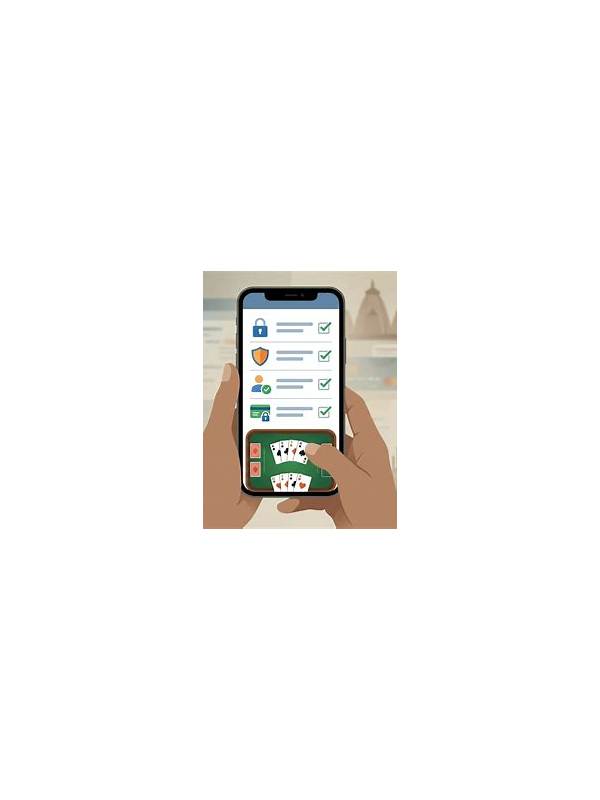
A study log can help you improve, but it should not become a second security risk. Notes about decisions, timing, and hand structure are usually enough for review. Passwords, one-time codes, payment information, identity documents, and full account screenshots do not belong in a rummy journal.
Choose a neutral format. Record the date, game format, approximate session length, and one or two decision points. Use descriptions such as “held a narrow middle-card link for too long” rather than copying a username or account number. If you need to identify a hand, assign it a simple local number. This keeps the lesson useful while limiting exposure.
Be careful with screenshots. Images can reveal balances, notification banners, profile names, chat messages, or device information even when the main subject is the card layout. If a screenshot is genuinely necessary for private study, crop it before saving and remove unrelated interface elements. Do not upload it to public forums or send it to strangers offering strategy advice.
Store notes where access is controlled. A device protected by a strong passcode is preferable to an open shared folder. Avoid saving records in temporary public links. Review old files periodically and delete material that no longer supports a clear learning goal. Before deleting, check that you are removing only your own notes and not required account records.
Security also applies to links and advice. If a message asks you to send a verification code, install an unknown package, or move a conversation to an untrusted channel, stop. A strategy discussion never requires account credentials. Use only official support routes for account problems, and verify the address independently rather than trusting a link in a message.
Finally, separate financial records from game analysis. If you choose to monitor spending, use a private budget record with broad categories and dates, not payment credentials. A safe review habit protects both your learning process and your ability to stop when needed. Good play analysis should make your decisions clearer, not make your personal information more visible.
If you share a general lesson, remove details that could identify the account or session. A paraphrased situation is usually enough: describe the card relationship and decision, not the full screen. Check shared documents and automatic photo backups as well. A note can leave your device without an obvious manual upload, so periodic privacy checks are worthwhile.
When in doubt, keep the note shorter. A useful lesson can survive without names, exact balances, or identifiable images.