Rummy Safety: Keep Strategy Notes Separate From Money Decisions
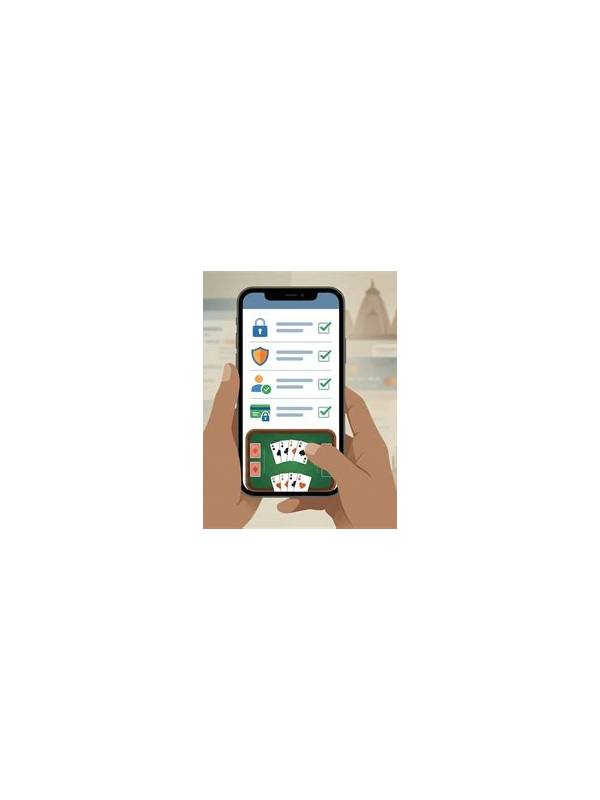
Strategy notes and money decisions belong in separate parts of a session. A hand can teach you something about draws, discards, or timing, but it should not determine whether you add funds or extend a budget. Keeping those decisions separate reduces the chance that frustration turns a learning moment into chasing.
Before play, write down two different plans. The strategy plan can include the opening checks you want to practice, such as tracking useful outs or reviewing discard risk. The money plan should include the maximum entertainment amount and the point at which you stop. Neither plan should be revised because a particular hand went well or badly.
During the hand, record strategy observations only if doing so does not interrupt play. Note a missed connection or a useful public signal, then return to the decision. Do not open payment screens, transfer money, or calculate how much would be needed to recover a result while your attention is on the cards. Those are separate actions that can wait for a clear-headed review.
After a loss, review the hand without assigning a financial response. Ask whether the decision was reasonable with the information available. If you want to practice the concept, choose a future exercise that does not require more spending. A lesson can be valuable even when the score is disappointing, but its value does not justify changing the budget.
Use a cooling-off rule for any money decision. Wait until the planned break, check the limit you set before play, and proceed only if the action fits that limit. If you feel urgency, the safer choice is to stop. No result needs to be repaired immediately, and an entertainment budget should never compete with essential expenses.
At the end of the session, save the strategy note and close the financial tools. Review the note later as a learning document, not as evidence that more play is owed. Separating these records preserves useful improvement while keeping spending deliberate, limited, and optional.
If a session repeatedly makes it hard to maintain this separation, stop for a longer period and consider using stronger account limits or trusted outside support. A strategy lesson can always wait; financial safety should not.