Rummy Table Tempo: How to Read the Pace Without Rushing
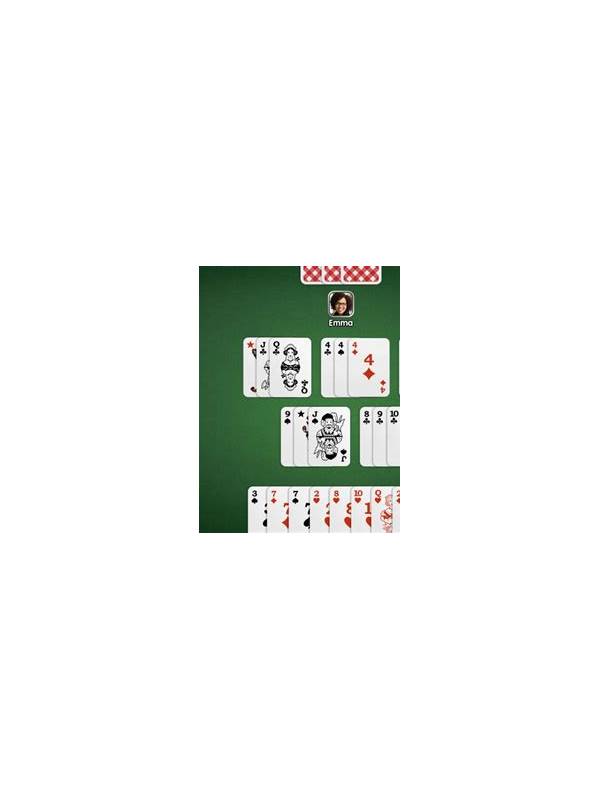
Online rummy can feel faster than a physical table because cards appear, disappear, and move with very little physical effort. That speed is useful, but it can also make a player confuse a quick interface with a need to make quick decisions. Reading table tempo is therefore less about copying another player’s pace and more about noticing the rhythm around your own hand.
Start by separating three kinds of speed. The first is interface speed: animations, timers, and automatic transitions. The second is player speed: how quickly opponents draw and discard. The third is decision speed: how long you need to evaluate your own options. Only the third should determine your action. A fast opponent may be confident, distracted, or simply using a familiar device. Their pace does not reveal the quality of their hand.
Use the early turns to establish a calm baseline. Notice whether the table is moving smoothly, whether a player regularly uses most of the timer, and whether the discard pile is easy to inspect. This is useful for managing attention, not for inventing a story about hidden cards. If the tempo suddenly changes, check practical explanations first: a connection delay, a pause in the interface, or a player who is reconsidering a move.
When your turn begins, use a short fixed routine. Confirm the new card, scan your existing groups, identify the weakest connection, and then choose a discard. The routine should be short enough to work under a timer but complete enough to prevent an impulsive move. If the table is moving quickly, shorten the wording of your internal checklist rather than skipping it.
Tempo can also help you decide when to pause between hands. If you find yourself selecting a card before you have looked at the full hand, your attention is being pulled by the table. Finish the current hand if appropriate, then take a break. A pause is especially sensible after a surprising declaration, a connection problem, or a costly mistake.
Finally, do not treat table tempo as a strategy signal by itself. A slow player is not necessarily holding a strong hand, and a quick discard is not necessarily safe. Tempo is a context clue about the environment. Your cards, the rules, and your own limits remain the reliable foundations for a clear decision.