Rummy Tips: Avoid Confirmation Bias While Reading a Hand
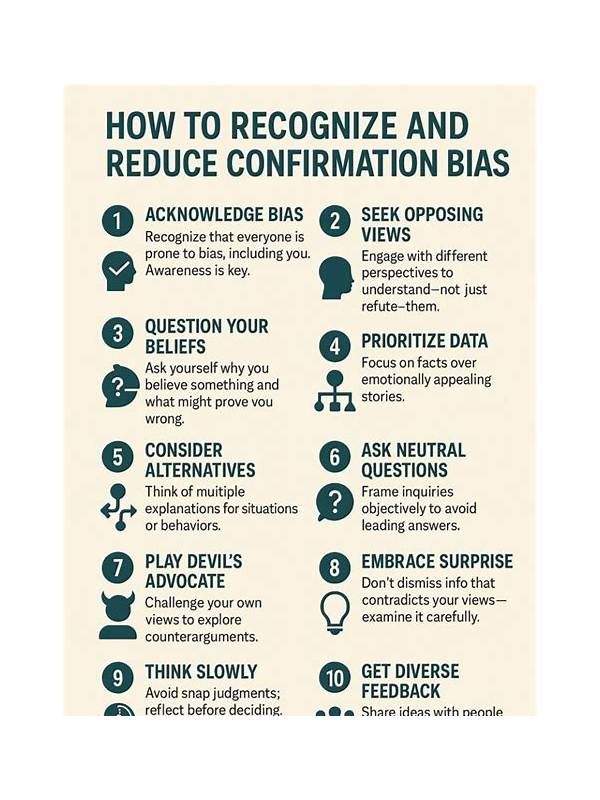
Confirmation bias can make a rummy plan feel stronger than it is. Once a player decides that two cards belong together, every related draw seems important and every contrary signal is ignored. A short challenge routine keeps the plan flexible.
When you form a first impression, state it plainly. For example, you might say that a pair is the foundation of a future set or that two connected cards are the beginning of a sequence. Then ask what card would prove the plan weak. If the answer is “nothing,” the plan is not being tested.
Look for disconfirming evidence. Has the missing card failed to appear after several turns? Does keeping the pair block a stronger pure sequence? Did a new draw create a group that requires one fewer unknown card? These facts do not automatically invalidate the first plan, but they deserve equal attention.
Use a two-column mental review: reasons to keep and reasons to release. Keep the entries concrete. “It looks promising” is not useful evidence. “Four unseen cards could complete it” is useful. “It blocks a low-risk sequence” is a meaningful reason to release it.
Be careful with opponent signals too. If you believe another player wants a suit, you may notice every discard from that suit and ignore other explanations. Record what you saw, then rate your confidence as low, medium, or high. Low-confidence beliefs should not cause you to carry an expensive card for many turns.
A reset after a surprising draw is helpful. Put the old plan aside for one breath and sort the hand again. Ask what you would choose if you had just received the current cards. This counterfactual removes some attachment to earlier decisions and exposes plans that survive only because of sunk effort.
The goal is not to distrust every idea. Strong plans should survive reasonable challenges. If a group has several useful outs, protects a rule requirement, and leaves a safe discard, keep it confidently. If it survives only because you want it to work, revise it.
A player who tests assumptions will still lose some hands; uncertainty is part of the game. The benefit is better decision quality. You will know whether a plan was supported by visible evidence or by the comfort of being the first story you told yourself.