Rummy Tips: Compare Two Draw Sources Without Overreacting
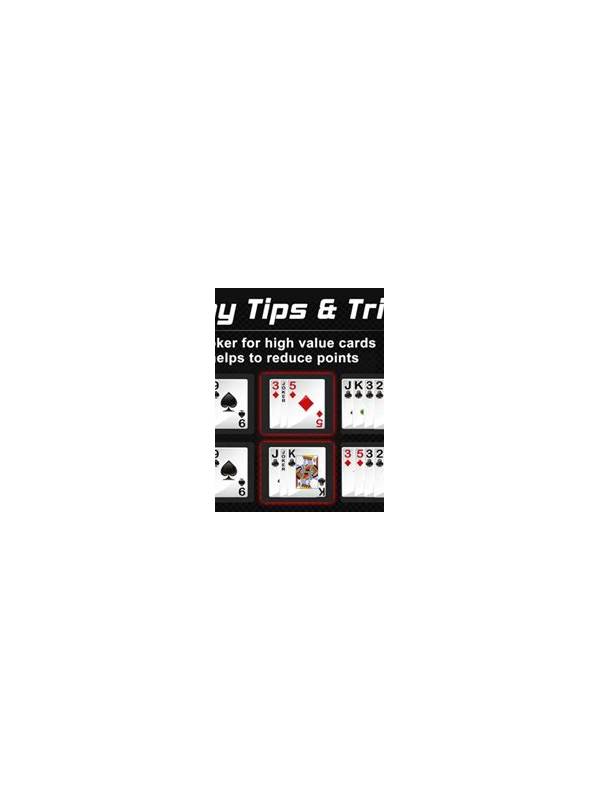
When both the discard pile and the closed draw are available, the visible card can feel unusually persuasive. You know exactly what you would receive from the pile, while the closed draw contains uncertainty. That contrast can cause players to overvalue the visible option, even when it only improves a weak route.
Begin with the question, “What does this card change?” Does it complete a valid group, create two realistic waiting cards, or merely make a pair that still needs several steps? A visible card that creates a clean structure may be strong. A visible card that only looks close to useful may not justify changing your plan. Describe the improvement precisely before choosing.
Then consider information. Taking the discard may reveal something about your intentions to other players, depending on the rules and table. Taking from the closed draw gives less information away, but it also may leave you with a card that needs immediate evaluation. Neither source is always superior. The right choice balances hand improvement, information, and the cost of missing the visible card.
Use a simple two-column comparison. In one column write the immediate change from the discard; in the other write the best plausible change from a closed draw. Include what you would throw away after each choice. If the visible option improves one group but forces you to abandon a stronger flexible route, its appeal may be mostly visual.
Avoid changing plans because the discard feels like a message. A single card can be placed for many reasons, and guessing a complete story from it creates unnecessary certainty. Treat it as evidence with limited weight. Make the choice that improves your hand structure and preserves a reasonable next decision, then reassess after the new card is in hand.
The comparison should also include the cost of holding the card you do not take. Passing on a visible discard may leave a useful card available to someone else, while taking it may reveal that you wanted a particular suit or rank. These are real considerations, but they should remain secondary to the quality of your own hand. If both sources are close, choose the option that keeps your next evaluation simpler and your fallback route clearer.
Remember that the closed draw is not a promise of a perfect card, and the discard pile is not a promise of a safe one. Both choices can create a new problem. Judge the card you receive, the card you release, and the route that remains afterward. This three-part check is more reliable than a general belief that visible information or hidden information is always better.