Rummy Tips: Protect the Cards That Preserve Options
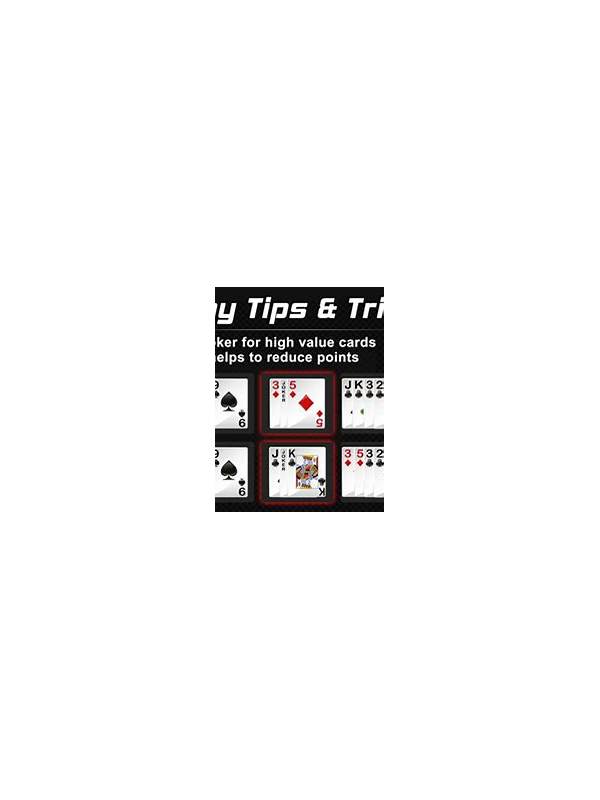
Some cards are valuable because they support a completed group. Others are valuable because they keep several future arrangements alive. Recognizing the second type helps you avoid discarding a modest card that quietly gives your hand room to adapt.
Start by separating confirmed groups from option-preserving cards. A middle card may connect to neighboring ranks, join a set, or support more than one sequence arrangement. A flexible joker can also preserve choices, although its best use depends on the format’s rules. Count only routes that are legal and realistically compatible with the rest of your hand. A theoretical route that requires breaking two strong groups is not genuine flexibility.
When choosing between candidates, ask what each discard removes. Discarding a high isolated card may reduce penalty but leave your remaining cards with one direction. Discarding a low flexible card may reduce immediate points while closing several routes. Compare the whole hand, not the face value of one card. The better choice often leaves a stronger foundation and more than one way to improve.
Option preservation has limits. A hand can become cluttered if you keep every card that might someday connect. Give each flexible card a review point. If new draws make one route clearly superior, release options that no longer serve it. Flexibility is useful when it supports adaptation; it is wasteful when it prevents commitment to a requirement.
Table information should be included carefully. A route may be less attractive if key cards are already visibly discarded, but hidden hands remain unknown. Do not claim that a route is impossible without evidence. Instead, lower its priority and compare it with routes supported by available information.
After a hand, note one option-preserving card you kept and whether it actually helped. Also note one card you discarded too early. This review develops balance: protect genuine flexibility, release expired possibilities, and remember that a clear legal route is usually worth more than an endless collection of options. Option-preserving cards are especially useful after a disruptive draw. They let you postpone a final commitment while you learn more about the table. Still, postponement should be active: keep the card because it supports a stated plan, then check whether that plan remains credible. If you cannot describe its role in a few words, move it down the discard ladder. Flexibility is a resource with a budget, and every retained card spends part of it.