Rummy Tips: Track the Discard Pile Without Overloading Memory
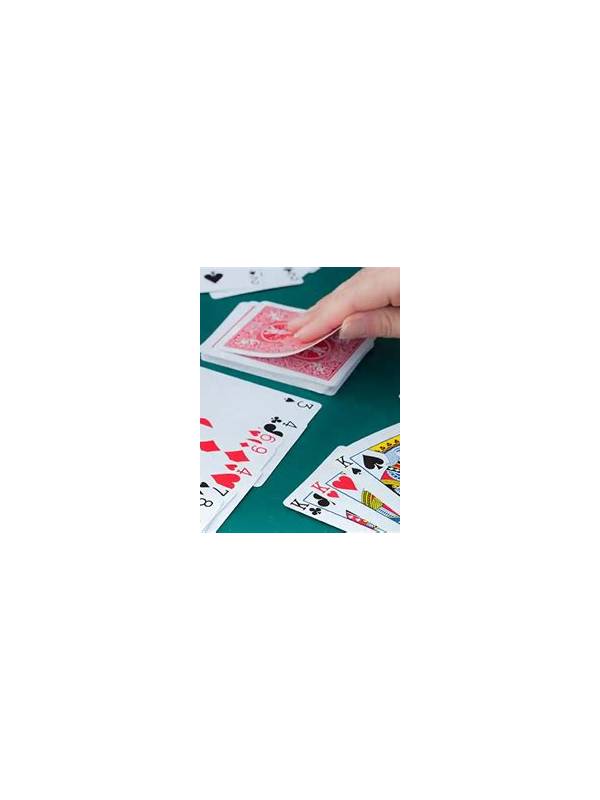
Remembering every card in a busy discard pile is unrealistic and often unnecessary. The useful skill is selective tracking: notice the cards that affect your current plan, update that information when the hand changes, and let the rest fade into the background.
Start with your own needs
First list the one or two cards that would materially improve your hand. If you need a middle card to complete a sequence, remember its rank and suit. If you are choosing between two possible groups, note the relevant ranks. This creates a small search list rather than a demand to memorize the entire pile.
When a card from that list appears in the discard pile, mark it mentally as unavailable or less likely to be available from that source. This can immediately change your plan. For example, if the only missing card for a narrow sequence has already been discarded, continuing to wait for it may be less sensible than building around a broader structure.
Notice signals, not stories
The discard pile can provide clues about what other players may not want, but one discard rarely proves a complete plan. Avoid constructing a detailed story from limited evidence. Instead, use the pile for practical questions: Is my target already gone? Has a suit or rank appeared repeatedly? Would my proposed discard help another player too much?
Repeated cards can be worth noting because they reduce the number of live copies in a standard deck. Even then, do not treat probability as certainty. A card that has not appeared may still fail to arrive, and a card that seems unlikely can appear immediately. Memory should improve decisions, not create confidence that the draw is guaranteed.
Refresh after every major change
If you complete a sequence, draw a joker, or abandon one plan for another, refresh your short list. Old targets are no longer equally important. Keeping them in mind can cause you to reject a useful card simply because it does not fit yesterday’s idea of the hand.
A simple reset phrase helps: “What do I need now?” Answer it with no more than three cards or card types. This keeps attention available for the table and prevents mental clutter during a fast game.
Practice with a small review
After a hand, ask which discarded card you remembered and whether that memory changed a decision. If it did not, it probably did not deserve attention. Over time, you can build a personal hierarchy: immediate completion cards first, dangerous discards second, and general table patterns last. Selective memory is easier to maintain, and it keeps the focus on decisions you can actually control.