Rummy Tips: Use a Single-Sentence Hand Summary
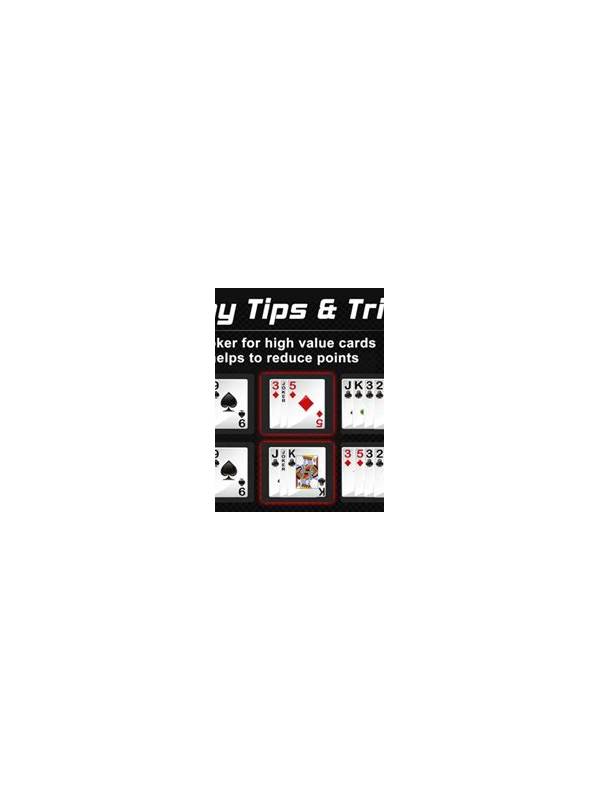
A hand summary is a short description of what you know, not a promise about what will happen. For example, you might say, “One group is complete, one sequence needs a connector, and two cards have no current role.” The sentence forces you to distinguish confirmed structure from possibility. It also gives you a stable reference after each draw.
Begin with the strongest fact. Name a complete group, a verified pure sequence, or the part of the hand that has the fewest missing requirements. Next, name the main unfinished route and the card or cards it needs. Finish with the number or type of loose cards. Avoid listing every rank unless a specific detail matters to the next decision.
After drawing, write or say a new sentence instead of editing the old one mentally. The new card may repair the primary route, create a better alternative, or add a distraction. Rephrasing prevents you from carrying an outdated plan into a new hand state. It also makes review possible: you can compare the summaries and see when the structure actually changed.
The summary should remain descriptive. “I am close to winning” is vague and can create pressure. “I have one legal group and two narrow routes” is more useful. Similarly, “the opponent wants hearts” is a guess. “A heart was taken from the open pile” is an observation. If you want to record an inference, label it as one and keep it separate from the facts.
Use the sentence before deciding what to discard. A candidate is stronger when removing it leaves the summary simpler, not merely when it has a high point value. If discarding a card would turn your only clear route into a collection of loose possibilities, recheck the alternative. If keeping it makes the sentence longer and more uncertain, ask how many turns you are willing to give it.
In practice, the summary can become a quick verbal habit: “complete group, narrow run, two loose cards.” It takes less time than a full hand analysis but exposes whether you actually understand the hand. When the sentence cannot be formed, that is useful information. Pause, resort the cards, and identify the missing relationship before making another draw.
That pause often reveals a simple next question and restores a calm view of the hand.
Use the summary again after the next draw, especially if the new card appears to solve one problem while creating another. Repetition is what makes the sentence a practical tool rather than a decorative note.