Rummy Waiting Time: What to Observe Between Turns
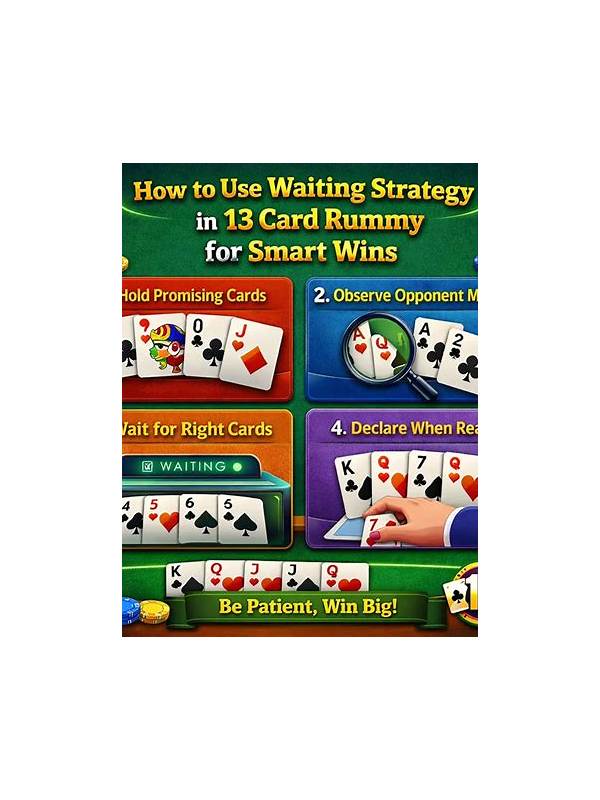
Waiting for your turn is an opportunity to observe, but observation should remain disciplined. Start with facts: which cards entered the discard pile, which cards were taken, how quickly the table is moving, and whether a player has made a declaration attempt. These facts are more reliable than assumptions about a person’s hidden hand.
Track repeated signals lightly. If a player repeatedly takes from the discard pile, they may be building around visible cards, but you do not know the exact group. If another player avoids a card that seems attractive, that may be a preference, a rule constraint, or simply a card they did not notice. Treat patterns as clues, not proof.
Use the pause to review your own plan before the next draw. Ask whether your current groups are still the best use of the cards and which discard would keep the most options open. This is more productive than staring at an opponent’s avatar or trying to predict a dramatic move.
Watch the pace for practical reasons. A fast table may require you to arrange your hand clearly and know where the action controls are. A slow table gives you time to verify a choice, but it can also encourage distraction. Keep your attention on the current state rather than replaying an earlier mistake.
Do not use waiting time to pressure yourself into action. You are allowed to reassess within the rules and take the time the interface provides. If the table becomes stressful or confusing, finish the hand safely and take a break. Observation should improve clarity, not create suspicion or anxiety.
The best between-turn routine is simple: note one fact, update one plan, and verify the next action. That keeps attention useful while respecting the uncertainty that makes card games unpredictable.
Avoid collecting information merely to feel busy. If a detail will not change your draw, discard, or safety decision, let it go. The strongest observation routine is selective: notice public cards, track the state of your own groups, and return attention to the decision you control. If you notice yourself constructing a story about an opponent, return to the visible state. Ask what card is actually available, what your rules permit, and which choice protects your hand. This reset keeps observation from becoming distraction. It is also respectful: unknown players should not be reduced to imagined intentions. Observation should leave you clearer about your own move, not more certain about another person’s hidden cards.