Rummy Strategy: Use a Small Set of Candidate Discards
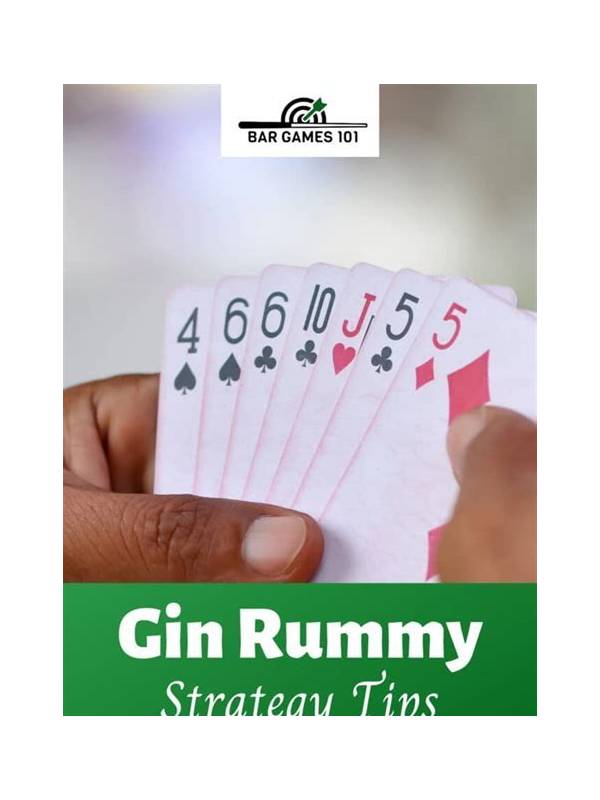
When a hand is crowded with partial groups, every card can appear connected to something. Comparing all possible discards creates mental noise and encourages last-second changes. A small candidate set makes the decision manageable while still allowing meaningful comparison.
Start by removing cards that have a strong current job. A card that completes a valid group or protects a nearly finished route should not enter the candidate set automatically. It can still be released, but only after you identify the cost. The first filter is about preserving clarity, not declaring any card permanently safe.
From the remaining cards, choose up to three candidates. Include one high-cost or isolated card, one card with a weak connection, and one flexible card whose future job is uncertain. If all three candidates are similar, compare their roles rather than their ranks. The purpose is to represent different kinds of trade-off.
For each candidate, answer the same questions: What route disappears if I release it? What route remains? Does keeping it create a duplicate or a difficult hand to read? Could the discard reveal useful information to another player? You do not need perfect predictions; consistent questions prevent one attractive feature from dominating the choice.
Apply a final deadline test to flexible cards. If a flexible card has stayed without a concrete job, it may deserve inclusion even when it looks elegant. Potential is valuable only when it is connected to a plan you are willing to test.
After the discard, record the two candidates you rejected and why. This takes less than a minute and reveals whether you repeatedly reject the same type of card. If a candidate set always contains a high card, for example, review whether your early discards are leaving too many expensive singles behind.
The small-set method is not a shortcut that guarantees the best move. It is a way to make the trade-off visible under time pressure. Clear comparisons support better decisions than an exhaustive search that never finishes before the timer.
The candidate set can be even smaller in a short-timer format. Two candidates are enough if they represent different costs. State the reason for rejecting the alternative before confirming the discard. This creates a quick audit trail and reduces the chance that a late visual change sends you back into an unfinished comparison.
If all candidates appear weak, choose the one that leaves the hand easiest to inspect on the next turn. Clarity has practical value: it helps you recognize a new route instead of carrying forward a confusing arrangement.