Rummy Comparison: Reviewing by Outcome or by Process
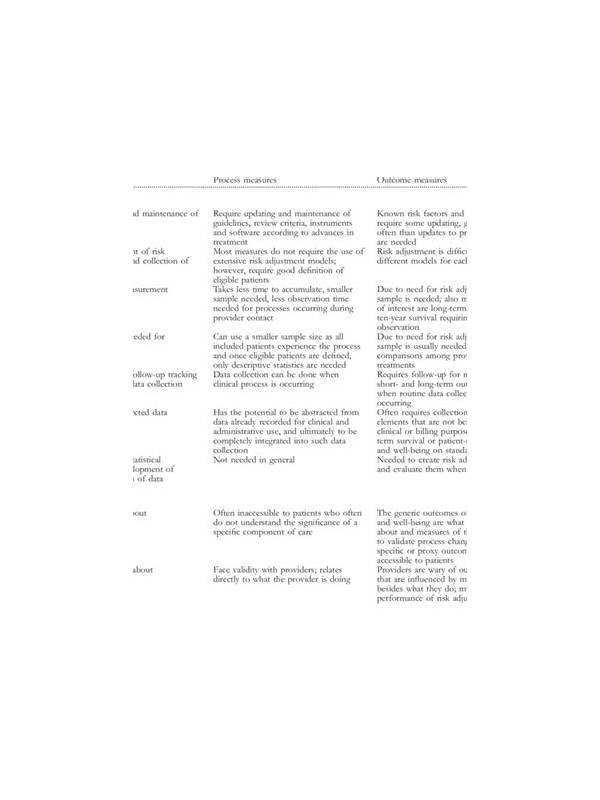
After a rummy hand, it is natural to ask whether you won. That answer matters, but it is a poor summary of every decision. A lucky draw can rescue a weak plan, while a sound plan can lose to an unfavorable sequence. Comparing outcome review with process review helps you learn without confusing luck and skill.
Outcome review is quick. You look at the final score, the winning declaration, or the moment the hand turned. This can be useful for spotting obvious rule mistakes and understanding the consequence of a missed opportunity. Its weakness is that it rewards whatever happened to work. A risky choice may appear wise because the next card arrived.
Process review asks what information was available at each turn. Did you identify the required structure? Did you compare actual discard candidates? Did you update a plan when a key card became less plausible? Did you follow your session limits? These questions remain useful even when the result was disappointing because they describe actions you can repeat.
Use both reviews in order. Start with the process so the final result does not dominate your memory. Write one decision you would repeat and one decision you would test differently. Then check the outcome for rule and scoring consequences. This separates “my reasoning was unclear” from “the hand simply did not cooperate.”
Avoid reviewing every turn with equal intensity. Choose a pivot: the first commitment, the most expensive retained card, or the declaration decision. Explain what alternatives were visible at that moment. If you cannot remember, that is itself a practice goal; pause briefly between future turns to preserve your reasoning.
Over several hands, compare process notes rather than only win rates. Are you identifying dead cards sooner? Are your reviews becoming more specific? Those improvements may appear before results change. A process-based habit gives you a stable way to learn, while outcome review remains a useful check on rules, costs, and consequences.
Use neutral language in the notes. “I held the card for four turns without a new connection” is more useful than “I was stubborn.” Neutral wording preserves evidence and makes it easier to compare hands later. It also prevents a review from becoming a punishment that you avoid. A good review should leave you with one practical experiment, not a general conclusion about your ability.
Keep result and process in separate columns if you use a notebook. In one column, record the action and the information available. In another, record what eventually happened. This physical separation makes it harder for the ending to rewrite your memory of the decision. Over time, the notebook becomes a collection of situations rather than a list of wins and losses.