Rummy How-To: Track Three Candidate Melds Without Clutter
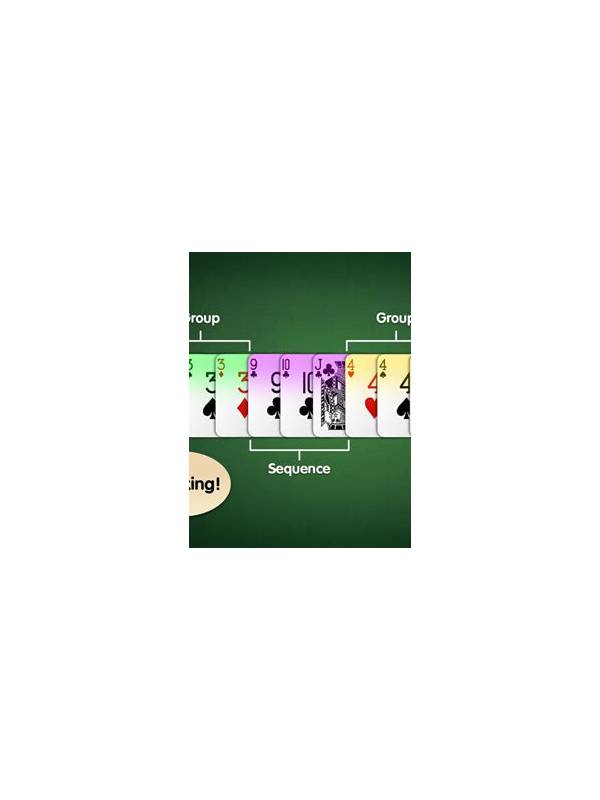
Holding every possible combination in your head can make a rummy hand harder to play. One way to simplify analysis is to track no more than three candidate melds. A candidate is a realistic group or sequence that could become valid with the cards still available. The limit forces you to distinguish useful possibilities from loose connections.
Start by listing your strongest candidate. This is usually a completed group, a sequence missing one card, or a pair with several practical ways to improve. Write it down mentally as “Candidate A.” Then identify a second option that uses different cards. Candidate B might be a same-suit run while Candidate A is a rank group. Finally, choose one backup option, Candidate C, that protects you if the first two lose value.
For each candidate, record three facts: the cards already present, the cards that would complete it, and the cost of keeping it. The cost is important because two candidates may share a card. If preserving Candidate A means holding a high-value singleton, while Candidate B uses low cards and has two possible finishes, the backup may be more practical than the exciting primary plan.
Review the three candidates after every draw. Promote a candidate when it gains a direct completion card or becomes safer to preserve. Demote one when its needed cards disappear from consideration, when an opponent shows interest in its area, or when it requires too many future draws. Do not replace a candidate merely because a new card looks attractive. Add it only if it is more realistic than one of the three already being tracked.
This method also helps with discards. A card that supports none of the three candidates is a natural release, provided it does not create unnecessary risk for another player. A card supporting two candidates deserves extra protection because it gives your hand flexibility. A card supporting only one candidate may still be worth keeping, but its value should be compared with the strength of the other options.
Use a simple stopping rule. When one candidate is complete, remove it from active analysis and choose a new backup only if your rules require additional work. When two candidates depend on the same exact card, do not count that card twice. It is one possible draw, not two separate chances. This prevents an overly optimistic view of the hand.
After the hand, check whether your three candidates were realistic at the time. If one remained on the list despite having no useful outs, your review has found a clear improvement. If all three were reasonable but the hand failed, the result alone is not evidence of poor planning. The value of the method is its discipline: it gives your attention a small, current set of options instead of an exhausting catalogue of maybes.