
Rummy Comparison: Risky Discards and Expensive Holds
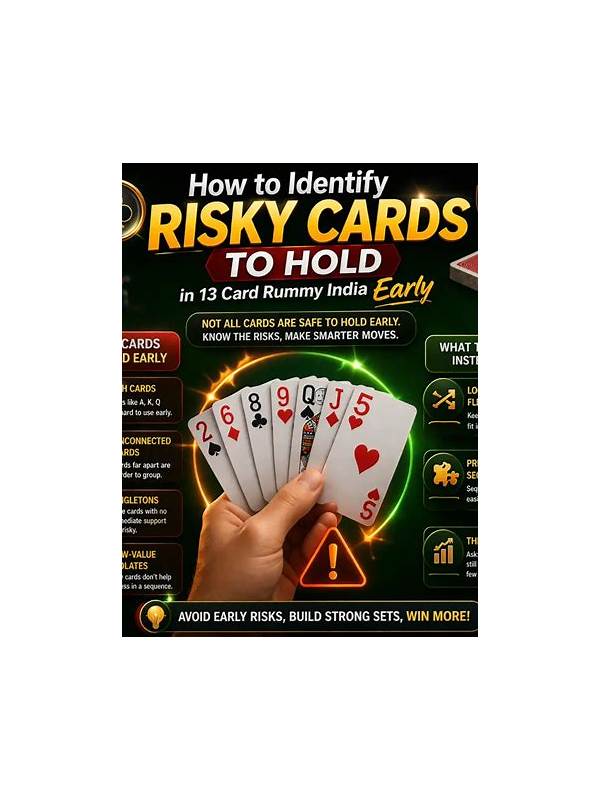
Difficult rummy decisions often look like a choice between a risky discard and an expensive hold. Neither option is automatically correct. The better choice depends on how much your hand improves, how likely the discard is to help another player, and how much time remains.
A risky discard has a possible table cost. The next player may use it immediately, or the card may reveal useful information. Estimate that risk from evidence, not fear. Has the player taken connected cards from the pile? Is the card common for the routes visible in the round? Is your own hand so weak that the improvement is worth accepting some exposure? These questions produce a more balanced assessment than labeling every connected card dangerous.
An expensive hold has a private cost. A high-value card can create a painful penalty if the round ends, while an isolated card can block better sorting and keep you attached to a weak idea. Holding it may be worthwhile if it supports a strong legal route or protects several flexible possibilities. It becomes expensive when it does neither and prevents a clean next move.
Compare the options on three scales: immediate improvement, future flexibility, and table exposure. A discard that improves your hand by releasing two useless cards may beat a cautious hold. A discard that helps an opponent complete a known route may be worse than keeping a moderate-cost card for one more turn. Recalculate after each draw because the balance changes.
Use the decision as a tiebreaker, not a formula that promises certainty. Check the rules, the stage of the hand, and the likely follow-up card. Then choose the option that leaves the clearest next action. Good play does not eliminate risk; it makes the reason for accepting risk visible. That clarity also makes later review more useful, whether the round ends in a win or a loss. When the two options remain close, prefer the one with a cleaner recovery path. A risky discard may be recoverable if your remaining cards form a strong plan; an expensive hold may be harder to undo because every later draw is filtered through it. This values the quality of your next decision, not a promised result. If you cannot estimate table exposure, return to structure: which choice reduces the most unfinished work? A clear structural gain is often a better guide than a vague fear that any discard might help someone. Revisit exposure only when you have concrete evidence.


