
Rummy FAQ: When Should You Ignore a Nearly Complete Run?
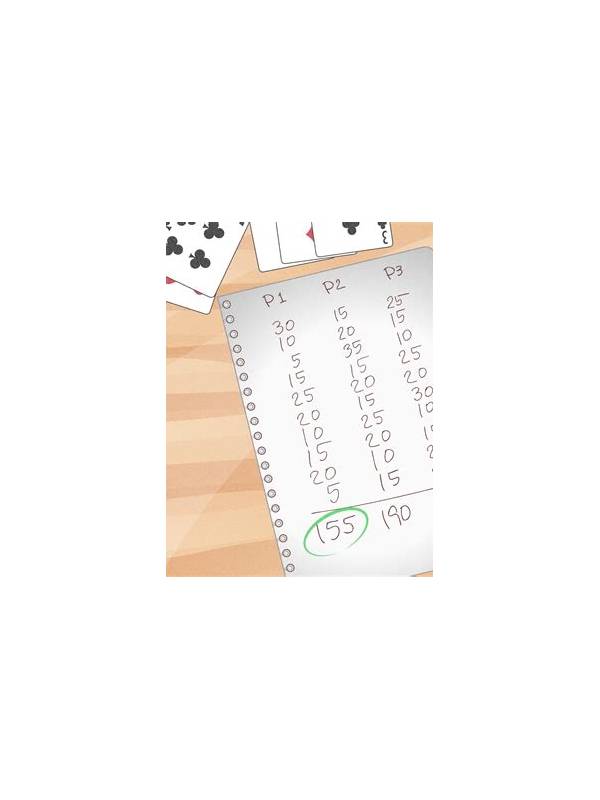
Why can a nearly complete run be a poor plan? A two-card connection feels close because only one card appears to be missing. But the missing card may be specific, already visible elsewhere, or needed by another group. Holding the connection can also prevent you from reducing a high-value singleton. “Nearly complete” describes appearance, not reliability.
What should I check first? Identify the exact cards that would complete the run under the variant’s rules. If there is only one useful rank, the route is narrow. If either end can help, the route is broader, but you still need to consider whether the cards are available and whether the group would be legal. Never count a card twice when it already supports a confirmed meld.
When is ignoring it sensible? Let the run go when it competes with a stronger route, carries unnecessary points, or requires several turns without a useful fallback. It can also be sensible to release it when your hand needs a pure sequence or another required structure first. A low-scoring hand with a clear alternative is often healthier than a high-scoring hand waiting on one exact draw.
Should I always discard the run immediately? No. Keep it when the missing card has multiple realistic sources, the run is low cost, and discarding it would destroy your only workable structure. The important comparison is between its expected improvement and the opportunity cost of holding it. A good question is: “If this card does not arrive soon, what will I do next?” If the answer is clear, the wait may be reasonable.
How do I set a limit? Give the route a review point, such as the next draw or the next two turns, depending on the format and pace. At that point, reassess from the whole hand. Do not defend the original idea simply because you have already held it. Treat the run as a temporary option. This keeps flexibility without allowing hope to become the hand’s main strategy.
Always confirm the exact variant before applying this advice. Some formats have special declaration requirements, and an apparently complete run may not satisfy them. If you are uncertain, use a practice table or read the platform’s official rules before playing seriously. Clear rules make a route review meaningful. Otherwise, you may spend several turns optimizing a group that cannot be used in the final declaration. The review point is a safeguard against attachment, not a fixed promise to discard.


