Rummy How-To: Record Mistakes Without Blaming Yourself
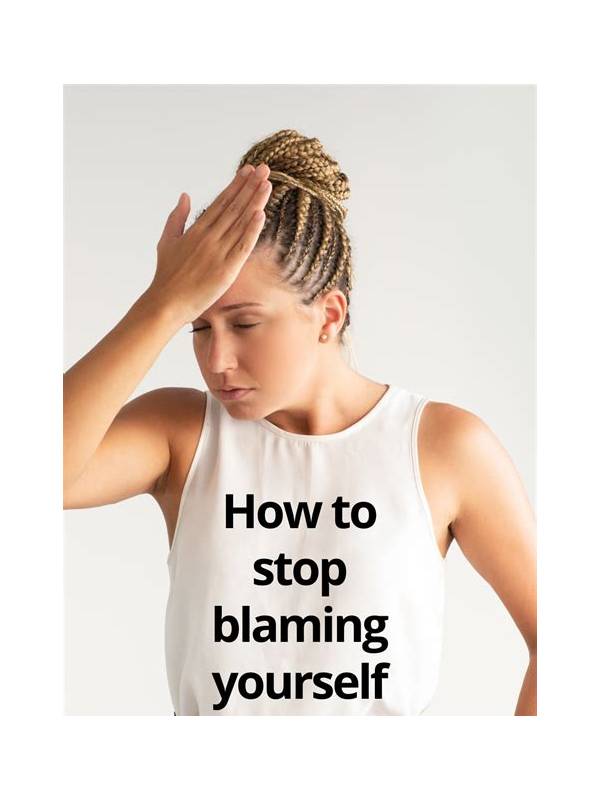
A hand review is most useful when it describes decisions rather than attacking the player. “I am bad at rummy” does not identify a change to make. “I kept a high card after its only connection failed” gives you a testable lesson.
Record the hand soon after it ends, but keep the note short. Write the format, the main plan, the turning point, and the final result. Avoid reconstructing every card unless a rule question requires it. A small record is more likely to be used than an elaborate diary.
Describe the turning point in neutral language. Instead of writing “I panicked and ruined everything,” write “After drawing a second pair, I kept both pairs and discarded a connector.” The second version shows what happened without adding an unhelpful judgment. It also makes it easier to compare the decision with an alternative.
Ask three questions. What information was available at the time? What decision did I make? What rule or priority will I test next time? The first question prevents hindsight from making the correct move look obvious. The second keeps the review specific. The third turns reflection into practice.
Separate process from outcome. A legal declaration that loses may still reflect good choices. A winning hand may contain a risky decision that happened to work. Note whether you followed the checklist, respected your spending and time limits, and reviewed your groups. Results are data, not a complete verdict.
Group repeated mistakes by type. Examples include missing the pure-sequence requirement, holding isolated high cards, chasing a discard, or playing while distracted. Work on one pattern at a time. Trying to correct everything in the next hand can create more confusion.
Review the notes weekly or after a small number of sessions. Look for one habit that appears more than once and choose a simple intervention. If you often miss a requirement, use a declaration checklist. If you overvalue a pair, set a deadline for it. If you play too long, decide the stopping time before starting.
A useful review ends with a forward-looking sentence: “Next session I will check ___ before ___.” This keeps the lesson practical and limited. The purpose of recording mistakes is improved attention, not punishment. Neutral notes preserve curiosity, which is a stronger teacher than shame.