Rummy Tips: Separate Rule Checks From Strategy Checks
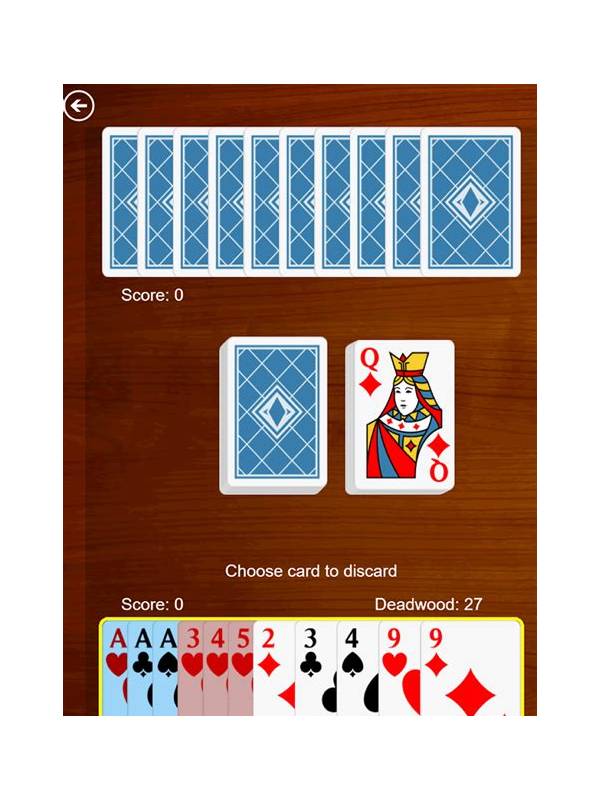
Rummy decisions contain two different questions: is the move legal, and is it strategically sensible? Mixing them can create confusion, especially near a declaration or when a variant has special rules. A quick separation makes both questions easier to answer.
The rule check comes first. Confirm the required number of sequences, any pure-sequence condition, how jokers work, the draw and discard order, and the scoring consequence of an invalid declaration. If the platform or table uses a house rule, verify it through the rules shown for that format. Do not rely on a remembered rule from a different variation.
Only after the move passes the rule check should you compare strategy. Ask which legal action preserves the best routes, reduces unnecessary points, or gives useful information. A move can be legal and still be poor. A beautiful strategic line is irrelevant if it depends on an illegal grouping.
Use a two-line mental script: “Legal because…” followed by “Preferable because…”. The first line should refer to the rule, not the expected result. The second should mention evidence from the hand, such as a completed sequence or the number of realistic extensions. If either sentence is vague, pause and inspect the position again.
This habit is especially useful when learning a new format. It prevents a successful outcome from teaching the wrong rule and prevents a legal but risky move from feeling automatically correct. Clear separation makes post-game review more accurate: you can identify whether the mistake was knowledge, calculation, timing, or simply an uncertain choice between two legal options.
This separation also helps when discussing a hand with another player. Ask them first whether the proposed grouping is legal, then ask which legal alternative they prefer. Otherwise, a strategic disagreement can become tangled with different assumptions about the rules. When the format is unfamiliar, consult the written rules before comparing opinions.
Use the same habit for bonuses, refunds, or account actions outside the hand. Confirm the stated condition first, then decide whether the action suits your plan. Separating facts from preferences is a general decision skill.
When in doubt, pause the action until the rule or condition is clear. A delayed choice is usually easier to repair than an avoidable invalid one.
The habit is particularly useful when a message, bonus, or table prompt creates urgency. Urgency does not change the rule. Verify the condition, then act only if the action remains appropriate.