Rummy How-To: Reorder a Hand Without Losing Track of Roles
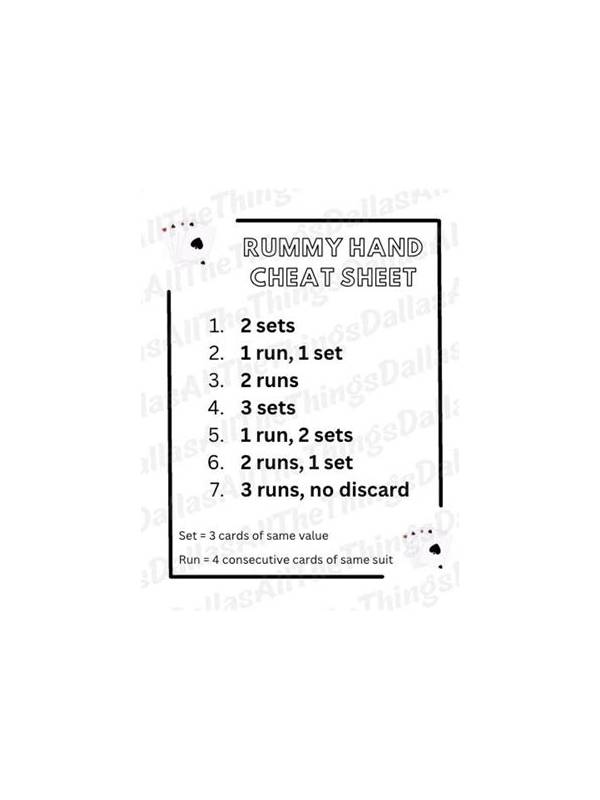
Reordering cards can clarify a rummy hand, but constant rearranging can also create confusion. The useful approach is to choose a sorting method and preserve the role of each card while you inspect alternatives.
Begin with a neutral layout. Sort by suit and rank so you can see natural runs. Do not immediately lock every adjacent card together. Two neighboring cards may be a real sequence, or they may be competing with a group. Mark completed combinations mentally, then place uncommitted cards in a separate area if the interface allows it.
Next, sort by role. Put confirmed pure-sequence cards together, followed by other confirmed combinations, then cards that support a possible route, and finally loose cards. This second view answers a different question from suit sorting. Suit sorting shows connections; role sorting shows how much of the hand is actually secure. Move one card at a time and ask what changes when it leaves its current place.
Watch for shared cards. A card that seems useful in two routes is not two cards. Label it as a dependency and compare the routes. If one route is already complete while the other remains speculative, protect the completed structure. If both are incomplete, prefer the route with fewer exact requirements or lower penalty if it fails.
Reordering should not replace legality checks. A visually neat group may still contain a wrong suit, an unsupported joker, or a card that belongs nowhere. After arranging the hand, read each combination from left to right and verify it against the format. If the timer is short, use only a quick two-view routine: suit order first, then a final scan for ungrouped cards.
Practice away from live play with a few sample hands. Time yourself sorting each hand by suit, by role, and by risk. Note which view helps you spot errors fastest. The goal is a stable mental habit, not a decorative arrangement. A good layout reduces search time and keeps you aware of which cards are doing real work.
If a new draw changes the hand, avoid rebuilding everything automatically. Reassess the affected route and only then move the necessary cards. Controlled reordering keeps the hand understandable while allowing new information to change the plan.