Rummy Tips: Give Every Discard a Timing Test
Why timing matters
In rummy, a discard is often judged only by its face value. A high card may seem expensive, while a low card may look harmless. Yet the same card can be useful or dangerous depending on when it leaves your hand. Early in a deal, you may be building several routes. Near the end, you may be protecting a nearly complete group. A timing test helps you notice that difference.
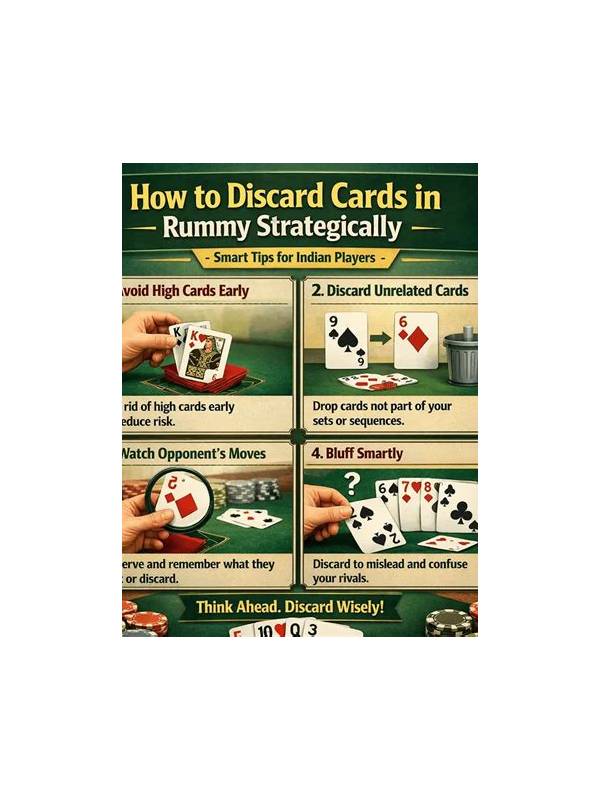
Before discarding, ask three questions. First, does this card complete a sequence or set with only one realistic draw? Second, does it duplicate a card already doing a job elsewhere? Third, what information would an opponent gain if this card became visible? The questions take seconds and create a useful pause between drawing and releasing.
The three-stage test
At the opening, value flexibility. Keep cards that connect in more than one direction, but do not protect every attractive pair. A card that has several possible partners can remain while isolated high cards are removed. The aim is to preserve choices while the shape of the deal is still unknown.
In the middle, value progress. Count how many cards are genuinely close to forming a legal group. If one card belongs to a route that needs two unlikely arrivals and another supports a route that needs one, the second route deserves priority. Timing changes the answer even if the cards themselves have not changed.
At the end, value certainty. A card that was flexible earlier may now be a liability if it prevents a clean declaration. Check your required groups, confirm the relevant rules, and discard the card that contributes least to a complete hand. Do not keep a speculative card merely because it once looked promising.
A practical habit
After each turn, say silently: “building, narrowing, or finishing?” In the building phase, preserve options. In the narrowing phase, remove low-probability plans. In the finishing phase, verify the hand before chasing another improvement. This label gives your discard a context without requiring complicated arithmetic.
The timing test is not a guarantee of winning. It is a way to reduce impulsive decisions and make your reasoning easier to review. Over several sessions, note which stage produced your most expensive mistakes. That record can show whether you abandon flexibility too early or hold hopeful cards too long.
A quick example
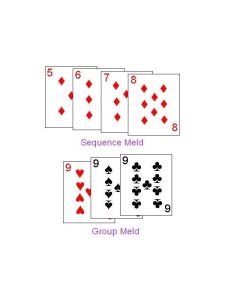
Imagine a connected pair that can become a sequence, an isolated high card, and a completed group. Early in the hand, the pair may deserve protection while the high card leaves. If the pair receives no support and the hand moves into its finishing phase, the same pair may become the weakest part of the layout. The timing test changes the question from “Is this pair good?” to “Is this pair still earning its place now?”