Rummy Comparison: Exact Draws and Broad Draws
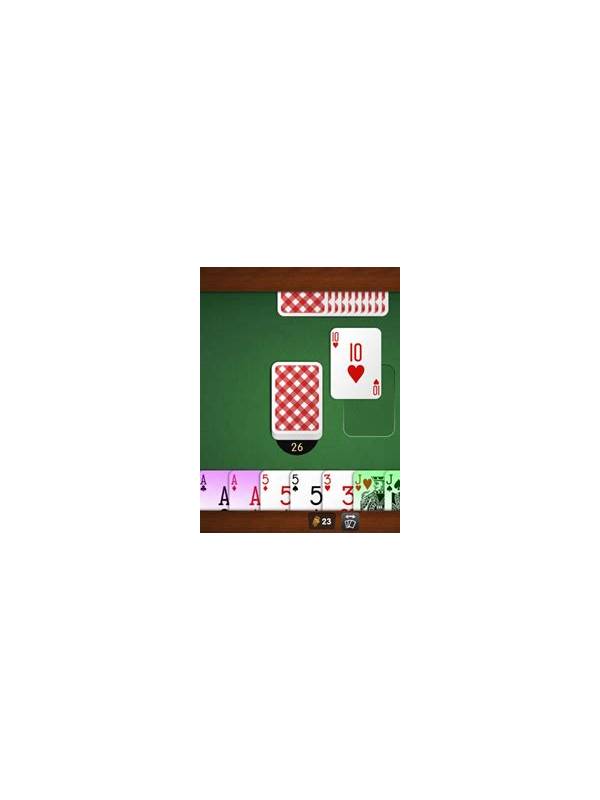
Rummy players often describe a hand as “one card away,” but that phrase can conceal an important difference. One hand may need a single exact card, while another may improve with several cards from a wider range. Comparing exact draws with broad draws gives you a clearer way to judge whether a plan is attractive, fragile, or ready to abandon.
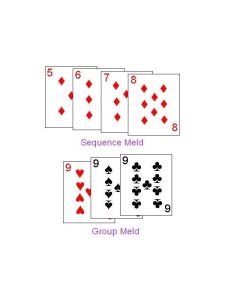
An exact draw has one required identity. If a hand contains 8 and 9 of hearts and your plan depends only on the 10 of hearts, the route is narrow. It may still be worthwhile when the card completes a pure sequence and no alternative uses the cards well. However, you should record the dependency honestly. A single target is not the same as a general connection, and waiting for it can keep other cards stranded.
A broad draw has multiple useful outcomes. A 6 or 10 might improve a 7-8-9 arrangement, or several cards of one rank might support a set plan. Broad routes are not automatically superior: each card must be legal, available in the relevant variant, and compatible with the rest of the hand. A broad route that creates three new problems is less useful than an exact draw that finishes a high-priority group.
To compare the two, make a small table with four columns: target cards, cards consumed, remaining penalty, and backup plan. Then ask what happens if the next draw misses. A broad plan should leave a workable follow-up; a narrow plan should have a clear deadline. If two turns pass without progress and the exact card remains unlikely or unavailable, reassess instead of protecting the original idea.
Do not try to calculate precise probabilities during a timed game unless the format encourages it. Use plain language such as “one target,” “several connectors,” or “many matching ranks.” This keeps the comparison useful without pretending to know hidden cards. The practical goal is not to predict the deck perfectly. It is to recognize when your hand has a robust route and when it is quietly waiting on a miracle. In a practice round, say the reason for the choice in one sentence before moving on. This makes the idea testable and keeps the review anchored to evidence. If the hand changes, update the sentence instead of defending the old plan. The cards will still contain uncertainty, but the decision will have a clear basis. A short routine also works for beginners because it focuses attention on one visible trade-off at a time. After several rounds, compare the sentences and note which assumptions were consistently useful, which were too narrow, and which caused unnecessary delay. That comparison can guide a focused drill for the next session.