Rummy Comparison: Manual Notes Versus Automatic Statistics
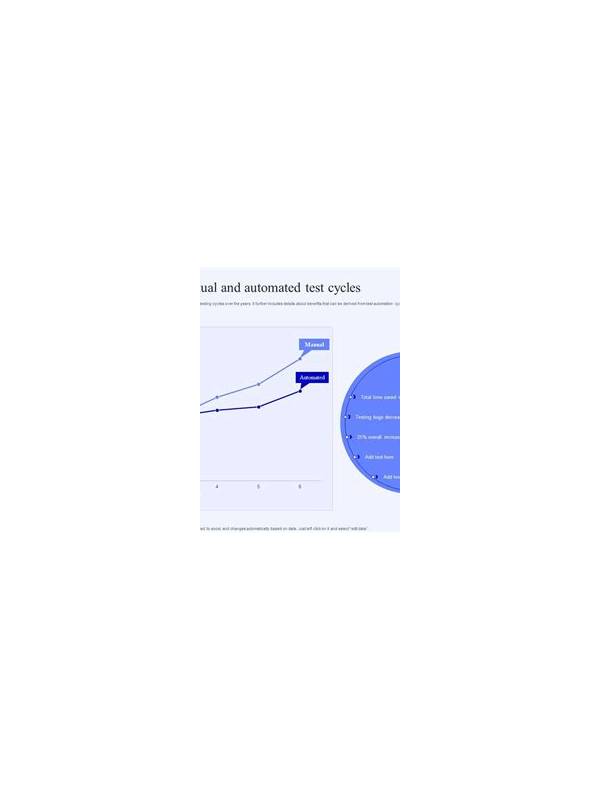
Manual notes and automatic statistics can both help a rummy player learn, but they should not be treated as interchangeable. Statistics show patterns across many hands. Notes capture the reasoning and context behind a particular choice. A useful review method gives each tool a separate job.
Automatic statistics are good at totals: win rate, average score, frequency of certain formats, or the number of hands played. They can reveal habits that memory hides. For example, a player may discover that results fall sharply during long sessions. Such a pattern is worth investigating, but the number alone does not explain whether fatigue, table selection, or decision quality caused it.
Manual notes are slower but more detailed. After a hand, record one turning point, the alternatives you considered, and the information you lacked. Avoid writing a full diary. A note such as “held a high card after its route lost a connector” is specific enough to revisit. Notes are most useful when they describe process rather than label the result as lucky or unlucky.
Use statistics to choose what to study, then use notes to study it. If a number suggests many late losses, review a small sample of those hands and look for a repeatable decision pattern. If notes repeatedly mention rushed discards, a session statistic can show whether the habit appears at a particular duration or format.
Neither method proves that a strategy is correct. Small samples can mislead, and notes can be shaped by hindsight. Keep conclusions modest, test one adjustment at a time, and stop reviewing when the exercise becomes stressful. The best system is one you can maintain consistently and that helps you make calmer decisions in the next session.
Privacy is another reason to keep notes local and minimal. Do not record passwords, payment details, identity numbers, or information about other players. A learning log needs only the hand context and your decision process. If statistics are exported, check what identifying information is included and store the file where other people cannot casually access it.
A small sample can still be useful as a prompt for reflection, provided you call it a prompt rather than proof. Repeat the observation in later sessions before changing a major habit.
The goal is a practical feedback loop: numbers identify a question, notes explain a decision, and the next session tests one modest adjustment.
This loop also prevents dashboards from becoming entertainment. If a statistic does not lead to a useful question or a safe experiment, set it aside rather than checking it repeatedly.