Rummy Comparison: Visible Melds Versus Hidden Potential
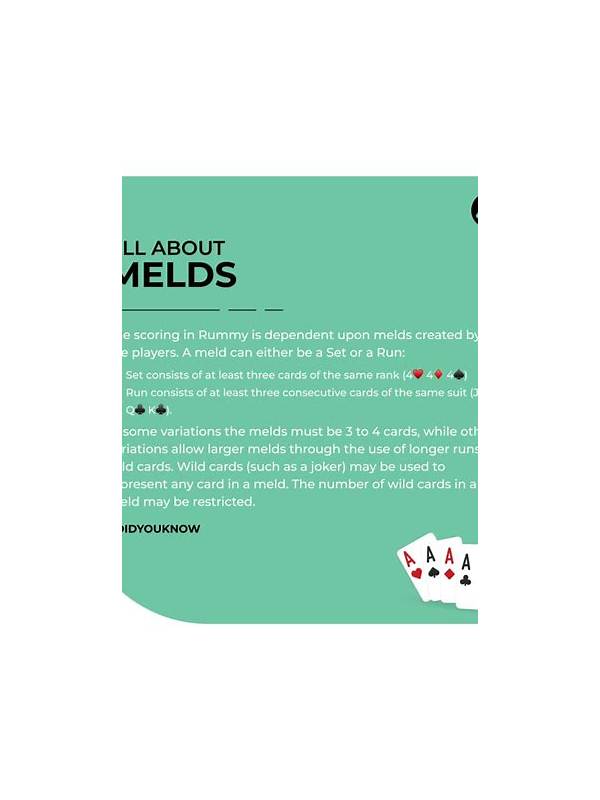
A completed meld is easy to recognize, while potential is harder to measure. That difference creates a common rummy decision: should you preserve a visible group or keep loose cards that could lead to a better arrangement? The answer depends on requirements, timing, and how much flexibility remains.
Visible melds have clear advantages. They reduce the number of unresolved cards, make a declaration easier to check, and lower the chance of forgetting a useful connection. If a pure sequence is required and already complete, protecting it is usually more important than chasing a speculative improvement elsewhere. Certainty deserves weight.
Hidden potential matters when the visible group is not yet essential or when it consumes cards that have better alternatives. A pair may belong to a set, a sequence, or both. Keeping it briefly can preserve several routes. However, potential is not the same as possibility. Count the actual missing cards and consider whether those cards remain available based on information you have seen.
Compare the two choices with a simple inventory. For the visible meld, record what it guarantees and what it leaves unmatched. For the potential group, record its concrete completion routes and the cost of waiting. Then ask which choice improves the hand’s weakest requirement. This prevents an attractive pair from distracting you from an unfinished pure sequence.
Timing changes the comparison. Early in a hand, flexible cards can be valuable because many routes are still open. Later, certainty often becomes more important because there are fewer draws to repair a mistake. A potential route that needs two specific cards may be reasonable early and irresponsible near the end.
There is no universal rule that completed groups always beat loose cards. The practical rule is to compare guaranteed progress with realistic progress. If the potential route offers several live improvements and does not endanger a required group, keep it under review. If it mainly offers a story about what might happen, favor the visible structure.
During practice, pause before rearranging a complete-looking group. State what you would gain and what you would risk. This habit makes the trade-off explicit and helps you learn whether your preference for neatness is improving decisions or merely making the hand look finished.
The comparison is especially useful after a new draw creates several tempting layouts. Preserve the required structure first, then test whether the loose cards offer a genuine improvement. If they do not, leave the visible meld alone. Stability is progress when it protects a rule-critical part of the hand.