Rummy FAQ: Should You Protect a Card That Serves Two Plans?
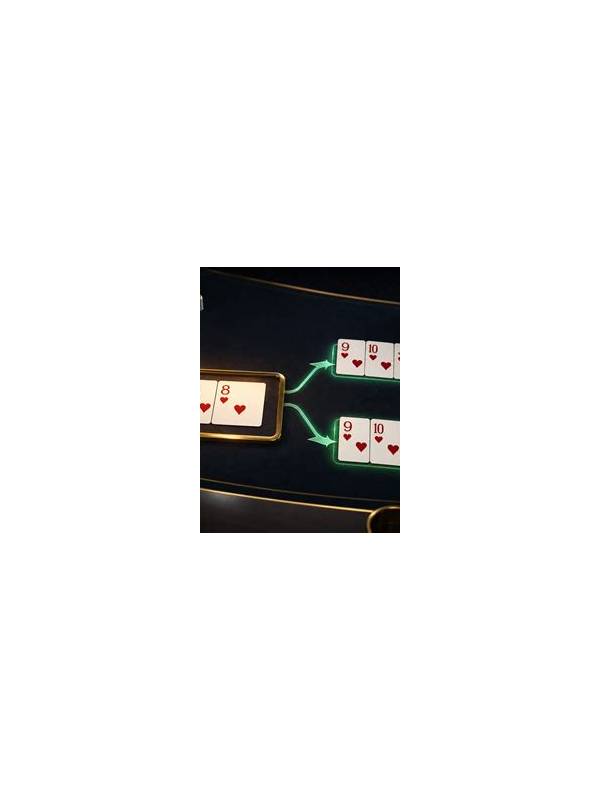
Usually, a card that serves two plans is worth protecting for a while, because it gives your hand flexibility. But dual use is not the same as high value. The two plans may depend on the same missing card, require too many draws, or be contradicted by public information. Protection should be based on practical options, not on the number of labels you can attach to a card.
List the two plans separately. For each one, name the cards already present and the cards that could complete it. If both plans need the same exact rank, count that as one shared out. If each plan has different completion cards, the flexibility is more genuine. Also consider whether completing one plan would leave the rest of your hand in a good shape.
Compare the card with your other candidates. A dual-use card may still be the best discard when it is expensive to keep and both plans are remote. High-value cards deserve particular scrutiny late in a hand. A low-value card with two credible uses can be held longer, provided it does not make you miss an urgent defensive choice.
Public information can reduce flexibility. If related cards have been exposed or taken, one of your plans may be mostly theoretical. Update your evaluation after every meaningful pickup. A card should not keep its special status merely because it once supported two ideas.
Set an exit condition. You might protect the card for one more draw, or until one plan gains a direct completion card. If neither event occurs, release the weaker plan and reassess. This prevents a flexible card from becoming a permanent excuse to delay a necessary discard.
The best review question is not “Did this card eventually help?” It is “How many realistic options did this card provide when I kept it?” Answering that question with the information available at the time leads to better decisions and prevents hindsight from making every missed draw look like a mistake.
If the answer is uncertain, use a deadline rather than a permanent hold. Flexibility is most useful when it remains temporary and measurable. At the next turn, compare the protected card with every current discard candidate instead of granting it automatic priority.