Rummy FAQ: When Should You Recheck the Game Format?
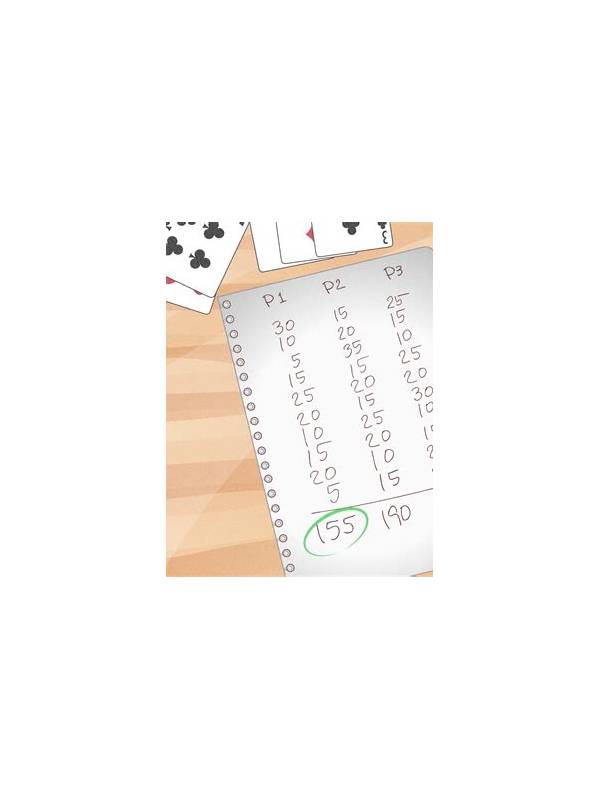
You should recheck the game format whenever a rule could change your decision. A quick confirmation is especially useful before joining a new table, after changing modes, or when the platform’s labels are unclear. The purpose is not to reread every rule during every hand. It is to verify the details that affect the current plan.
Before play, confirm the number of cards, the objective, the scoring method, the treatment of jokers, and the declaration requirements. Some formats share familiar names while using different limits or timing. If a rule is not visible, use the platform’s official help page or support channel. Do not rely on a screenshot from an unknown source.
During a session, pause when the table format appears to change. A new entry screen, altered stake, different timer, or unfamiliar declaration button is a reason to check. Likewise, if another player’s action seems inconsistent with your understanding, verify the rule before copying the behavior. A confident table does not guarantee that your assumption is correct.
You also need a recheck after an error. If a declaration fails, first read the exact message and compare it with the official rule. Do not immediately conclude that the app is broken or that another player received special treatment. Record the relevant hand state if the platform permits, then contact official support when the result remains unclear.
A format check should be short. Ask: What must be present? What ends the hand? How are points assigned? What action is irreversible? Those four questions cover many practical differences. Keep a personal rule snapshot, but update it when the platform changes and mark which version or date it reflects.
Avoid turning rule verification into a source of anxiety. Once the relevant details are confirmed, return attention to the hand. The check is successful when it removes uncertainty, not when it produces a long document. Good players can still make mistakes; a reliable recheck routine simply makes avoidable misunderstandings less likely.
If money or personal data is involved, treat unclear rules as a reason not to proceed until the terms are understandable. A pause costs less than acting on a format you do not recognize. Recheck at transitions, after confusing outcomes, and whenever a rule could materially change your decision.