Rummy Tips: Use a Confidence Ladder for Hand Ideas
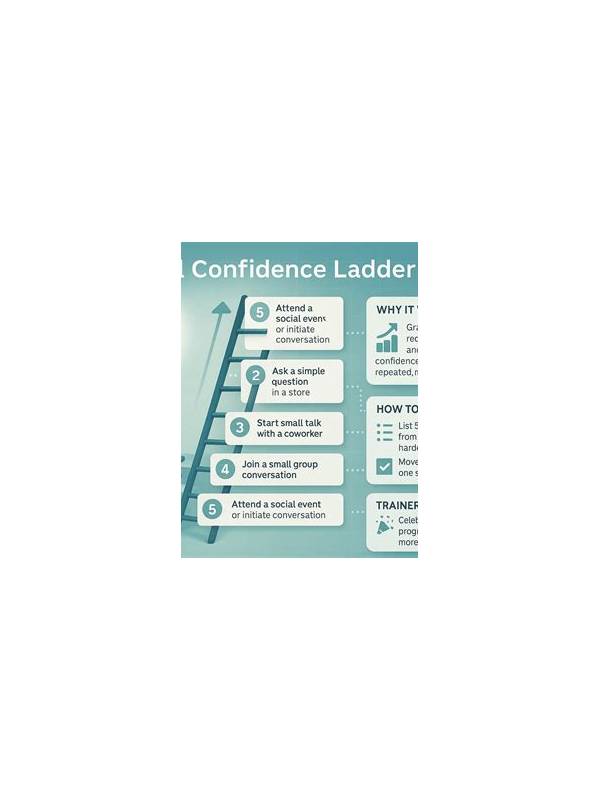
A confidence ladder helps prevent a possible rummy arrangement from being treated as a fact. Use three levels: confirmed, plausible, and speculative. The labels are not judgments about your skill. They are reminders about how much evidence each hand idea has earned.
Confirmed means the cards already form a valid group under the format’s rules, or the role is otherwise certain. Protecting a confirmed requirement may be important, but even confirmed groups should be reconsidered if the overall hand needs a different structure. The label describes the group, not an absolute command.
Plausible means the route has a realistic completion. You can name the missing card or cards, and the cost of waiting is acceptable. A plausible route should have a deadline. If it receives no support after a few relevant turns, downgrade it or release it. This keeps a reasonable idea from becoming a permanent excuse to hold unmatched cards.
Speculative means the route is possible but weakly supported. Perhaps it needs several exact cards, depends on a guess about another player, or competes with a stronger requirement. Speculative cards can remain briefly when their point cost is low and they provide useful flexibility. They should not silently outrank confirmed or plausible needs.
To apply the ladder, scan the hand after each draw. Say the level quietly or mark it in a practice note. Then ask which card has the lowest confidence and highest cost. That card is often a better release candidate than a card with a clear role, even if the speculative route feels exciting.
The ladder is also helpful when reviewing a completed hand. Look for places where a speculative idea was described as if it were certain. That is a process lesson. You may need to define missing-card thresholds, shorten deadlines, or compare point exposure earlier.
Confidence should move in both directions. A new discard can make a plausible route less likely; a useful connector can promote an idea. Updating labels is more important than defending the first plan. With practice, the ladder makes hand talk more precise: confirmed cards deserve protection, plausible cards deserve a test, and speculative cards deserve a limit. Keep the ladder visible in review notes with a short code such as C, P, or S. Seeing several S labels beside high-point cards is a useful warning that the hand is carrying too much uncertainty. Seeing mostly C labels can be reassuring, but still check whether the confirmed groups satisfy the format’s actual requirements.