
Rummy How-To: Create a Neutral Opening Layout
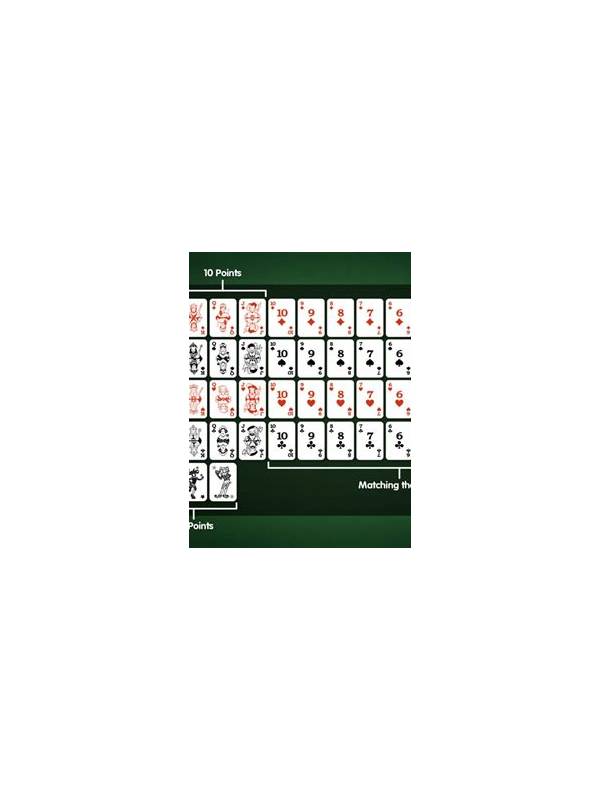
The first arrangement of a hand can influence every later decision. If you immediately group cards into the most attractive pattern, you may overlook a better route or count one card twice. A neutral opening layout gives you a fair view before you commit.
Begin by sorting by suit and rank without naming any intended meld. This reveals consecutive cards, gaps, and isolated values. Do not decide what to discard during this first pass. You are building an inventory, not making a prediction. Separating observation from evaluation reduces the temptation to defend the first pattern you notice.
Make three temporary labels: clear structure, possible structure, and unconnected cards. Clear structure has a concrete route that needs little help. Possible structure has one or more useful links but still needs evidence. Unconnected cards have no current job. Keep the labels provisional; a new draw can move a card from one group to another.
Now check the hand’s requirements. Identify whether a pure sequence or another specific condition is still missing. This prevents a visually attractive set from distracting you from a rule that must be satisfied. Then scan by rank to find overlaps and possible sets. The two scans should agree about which cards have a real role.
Only after this neutral pass should you compare discards. Start with unconnected high-cost cards, but protect a card if it offers multiple realistic routes or is the only bridge to a required combination. Set a review point so the opening layout does not become a permanent assumption.
The method takes a little longer at first, but it becomes quick with practice. A neutral layout is not passive. It gives you a stable reference from which to notice improvements, challenge weak hopes, and make later decisions based on the hand you have rather than the hand you first imagined.
Neutral does not mean slow forever. After the opening scan, choose the strongest route and one alternative. If both need too much help, reduce risk rather than forcing a pattern. If a later draw changes the balance, return briefly to the neutral labels and rebuild. This reset is useful after a confusing interface event or an unexpected discard. Once the reset is complete, continue with the simplest route that meets the rules. A neutral layout is a foundation for action. Then let new evidence decide whether the route remains worth pursuing. Keep that review short and purposeful.


