Rummy How-To: Create a Two-Stage Discard Routine
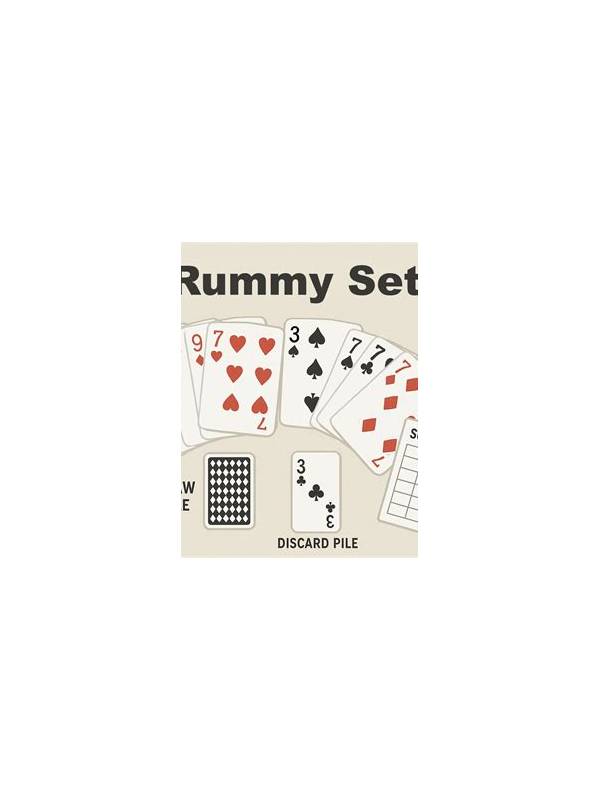
Discarding is easier when it is treated as two small decisions. In stage one, identify which cards are candidates. In stage two, choose among those candidates after checking the table and the rules. This routine prevents the first annoying card you notice from becoming an automatic discard.
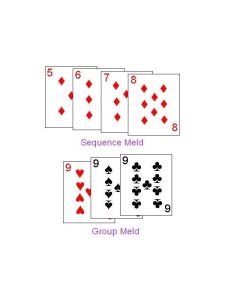
Stage one begins inside the hand. Separate completed groups, active connectors, conditional cards, and deadwood. Protect completed groups unless a rule or a clear improvement justifies changing them. Among the remaining cards, identify the ones with the fewest credible routes. A high-point isolated card may be a candidate, but so may a low card that blocks a stronger structure.
Do not rank candidates by points alone. Give each card a short reason: “no live neighbor,” “duplicate with a stronger route,” or “depends on one unlikely draw.” The reason should describe the card’s role, not your frustration with it. If two cards have similar roles, keep both as candidates rather than deciding too early.
Stage two starts with the visible table. Check whether a candidate has just been requested indirectly by a player’s discard or pickup pattern. This does not prove what anyone holds, but it can make one discard more informative or more risky than another. Also check whether the candidate is required by the game’s declaration rules. A card that looks unnecessary may be part of a valid structure you have not fully verified.
Then ask whether the discard preserves a backup route. If removing one card leaves only a single waiting card, compare that risk with the alternative. Sometimes accepting a slightly higher point total is safer than forcing a brittle plan. Finally, check the timer and make the decision before the last moments, when an accidental click or rushed sort can create a larger error.
You can practice the routine away from a live table. Take a sample hand and write three candidates, one reason for each, and one table fact that might change the ranking. Then choose the discard and explain what route remains. The goal is not to find a perfect answer in every puzzle. It is to make your selection process visible, consistent, and easy to improve after the round.
If the timer is short, compress the routine rather than abandoning it. Name two candidates, check the stronger group, and select the card with the clearer reason. A shortened process is safer than an impulsive click because it still preserves the distinction between analysis and final risk checking.