Rummy How-To: Label Every Card With One Current Role
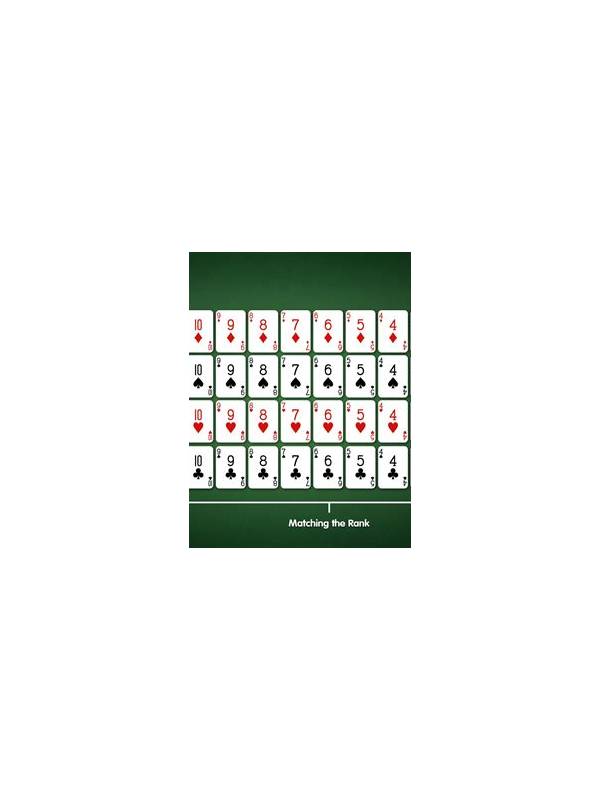
When a hand feels crowded, label each card with one current role. Useful labels include sequence anchor, set candidate, connector, high-point risk, safety card, and unassigned. The labels do not predict the final hand; they capture why you are keeping a card right now.
Begin with cards that already belong to a valid group. Mark a completed group as an anchor, but still check whether it is required by the rules. Next, mark cards that are one reasonable improvement away from joining a group. A connector can support more than one plan, while a set candidate shares a rank with another card. Keep the labels specific enough to explain the next decision.
Do not give a card three roles at once. If a nine of hearts could join either a hearts run or a set of nines, choose the role that currently has the stronger foundation. Record the alternative mentally as a possibility, not as equal progress. This prevents a flexible card from making the hand look more complete than it is.
After each draw, update labels in a fixed order. First, check whether a group became complete. Second, see whether a new card improves an existing plan. Third, identify cards whose old role disappeared. Finally, mark the least useful unassigned card. This small routine reduces the temptation to keep a card merely because it was valuable one turn earlier.
The labels also help with discards. A high-point card with no role is an obvious candidate, but an apparently harmless connector may be more important if it supports a live plan. Conversely, a low-point card that has lost its only connection should not be protected just because it is cheap.
Use pencil and paper only if it helps; the same process can happen mentally. The purpose is clarity. A role is temporary evidence, not a promise. When new information arrives, replace the label and let the hand change direction without treating that change as failure.
Do not use labels to create false certainty. Connector means a card has a relationship, not that the relationship will complete. High-point risk means the card deserves attention, not that it must be discarded immediately. Keeping these meanings modest makes the inventory useful. It tells you what to inspect next while leaving room for the table, the rules, and the remaining turns to change the answer.
Review the labels when the hand becomes crowded, not only when it becomes comfortable. A clear role should make the next choice easier; if it does not, the label may be too vague. Replace it with a concrete missing link or admit that the card is unassigned. That honesty helps you preserve space for a better draw.