Rummy How-To: Make a Two-Column Hand Inventory
A two-column inventory is a quick way to reduce confusion in a crowded rummy hand. In the first column, record each card’s current job. In the second, record one plausible future job. The separation prevents a distant possibility from being mistaken for present progress.
Start with current jobs. Write “complete sequence,” “set pair,” “connector,” “high-point unassigned,” or “no clear role.” Keep the descriptions concrete. “Could be useful” is not a job because it does not explain what the card is waiting for. If two cards form a partial group, describe the missing connection.
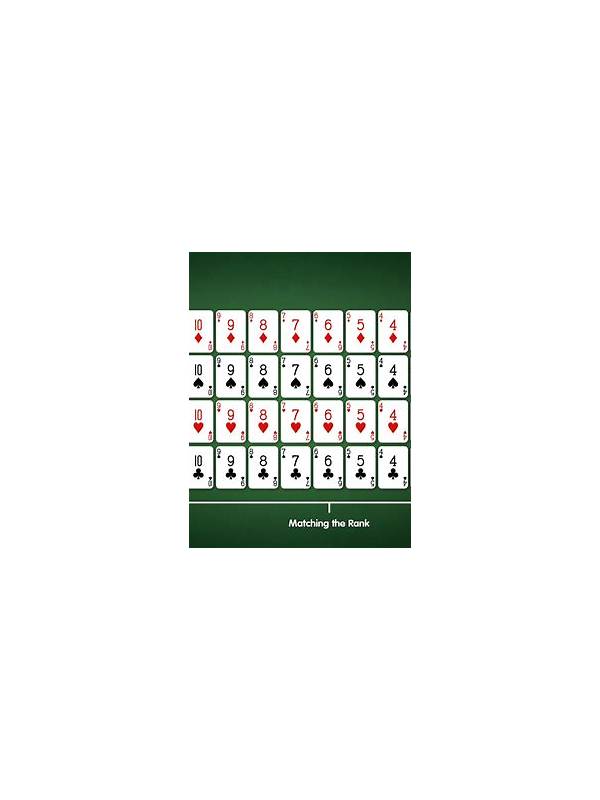
Then add only one future job per card. Choose the most realistic alternative, not every theoretical combination. A nine of diamonds might currently be a connector in a diamond run and have a future role in a set of nines. Record the alternative, but do not count both roles as simultaneous progress.
Review the inventory after a draw. Move a card from future to current when the new card makes the plan stronger. Delete a future job when its required cards have become less plausible or the hand has taken a better direction. A short inventory is more useful than a long list that never changes.
Use the columns to guide a discard. Cards with no current job and a weak future job are first candidates. A card with a strong current job should be protected unless the replacement creates a clearly better structure. When two cards are similar, discard the one with the higher cost of failure or the one that blocks more useful arrangements.
You can do this mentally with two phrases: “what it does now” and “what it could do next.” The method is especially helpful for beginners because it turns vague hope into an explicit choice. It also helps experienced players notice when a flexible card has been surviving without evidence.
Keep the inventory deliberately small. A card may have several theoretical future jobs, but listing all of them makes every discard feel irreversible. Choose the best alternative and note what would make it stronger. If no event can improve the alternative within your time horizon, the second column is effectively empty. That is useful information: the card is being kept on habit rather than on a live plan.
The inventory can be especially helpful after a surprising draw. Instead of rearranging everything immediately, add the new card to the current column and move only roles that genuinely changed. This preserves a record of the hand’s structure and prevents a single attractive card from creating several unsupported plans at once.