Rummy How-To: Use a Route Ledger for Difficult Hands
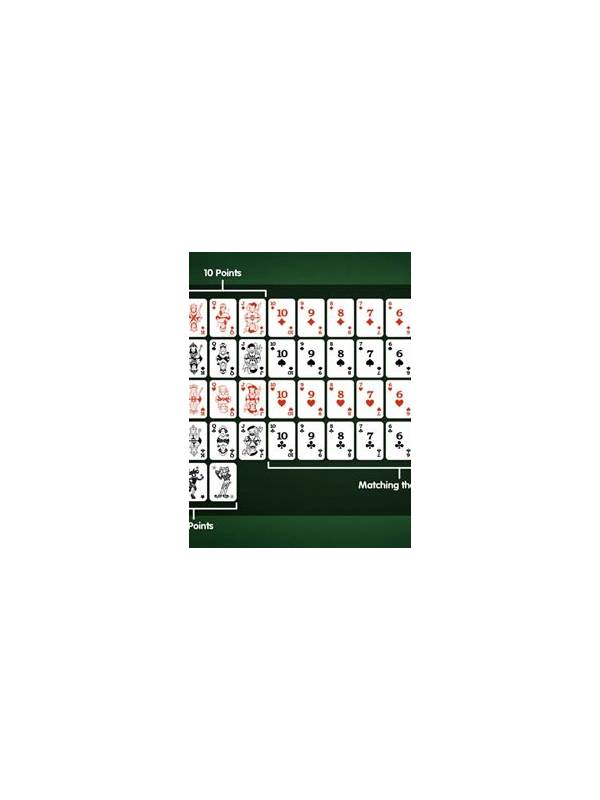
A difficult rummy hand can become confusing because several possible melds compete for the same card. A route ledger is a compact way to keep those possibilities separate. It is not a prediction chart; it is a short record of what each route needs and when you will reconsider it.
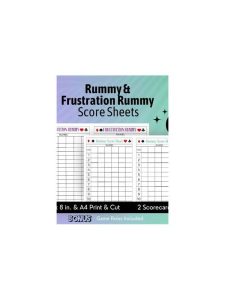
Draw three columns on paper or use a private note: route, missing cards, and review point. In the first column, write a concrete description such as “natural sequence in hearts” or “three-card rank group.” In the second, list only the cards that would genuinely improve that route. In the third, write a trigger such as “after two draws” or “if the middle rank appears in the discard pile.” Keep the ledger small enough to read at a glance.
Do not record every imaginable arrangement. Choose the two or three routes that use the strongest relationships in your hand. If a route requires several unrelated cards, mark it as weak or omit it. The purpose is to prevent mental overload, not to create an encyclopedia of possibilities.
Update the ledger after meaningful information arrives. Cross out a card when it becomes unavailable based on known discards, and add a route only if a new draw creates a real connection. If a route loses its only practical completion card, release it rather than leaving it on the page as an emotional attachment.
The review point is the ledger’s most important feature. At the trigger, compare routes using current evidence. Which one has gained an out? Which one satisfies a required part of the declaration? Which one leaves the most manageable remainder? Then choose a route or deliberately continue holding two for one more turn. A deadline keeps the tool from encouraging endless waiting.
Keep privacy in mind if the note is digital. Do not record account credentials, payment details, or identifying information. A simple hand label and anonymous card notation are enough for practice. Delete or protect notes that could reveal private game information if the device is shared.
After the hand, review whether the ledger helped. Did it reduce repeated counting? Did you set too many routes? Did you ignore a review point? Improving the ledger is more useful than judging yourself by the final result. Over time, the habit turns a tangled hand into a few explicit choices that can be checked calmly.
Keep the language neutral. Write “route lost an out” rather than “I ruined the hand,” and “held one turn past trigger” rather than “played badly.” Neutral wording protects the value of the review and makes patterns easier to notice across several hands.