Rummy FAQ: Why Is a Discard’s Timing Important?
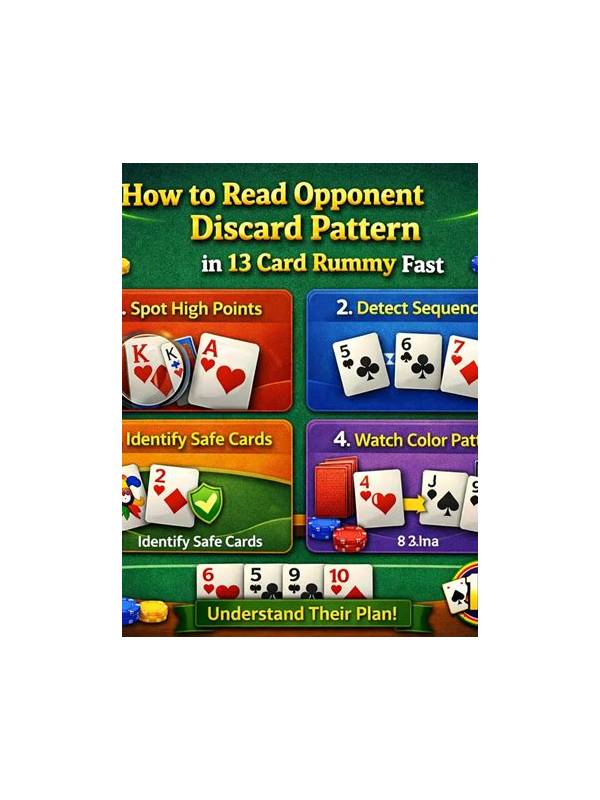
A discard is not only a card choice; it is also a timing choice. Releasing a card early may preserve flexibility and reduce points, while releasing it later may reveal that it was never useful. The best timing depends on the card’s routes, the hand’s requirements, and the information available at that moment.
Early in a hand, players usually have more open routes. A connector can support several sequences, and a pair can still become a set. Discarding too quickly may remove useful flexibility before you have inspected the rest of the hand. On the other hand, holding every possibility creates congestion and can stop you from recognizing a better plan.
Later, the cost of waiting rises. If a card has not gained a partner after several turns, its value should be reassessed. The same is true when relevant cards appear in the discard pile or when an opponent’s visible choices change the information landscape. Timing is therefore a review question: what has changed since the last time you ranked this card?
A discard can also communicate information to other players. You cannot know exactly what they infer, but you can avoid careless gifts when two candidate discards are otherwise similar. Compare their likely usefulness to opponents with their usefulness to your own hand. Do not invent a detailed story about hidden hands; use only observations that are actually available.
Use a three-part check before acting. First, ask what the card currently does for you. Second, ask what waiting one more turn could realistically add. Third, ask whether an alternative discard keeps a stronger route while exposing less useful information. If the answer to the second question is merely “a lucky draw,” the timing case for holding may be weak.
This approach does not make discards predictable. Good decisions can still be followed by bad draws. In review, judge whether the timing was supported by the evidence at the time, not whether the next card proved you right. Separating decision quality from outcome helps you learn when patience was strategic and when it was only reluctance to let go.
Timing should also respect the pace of the table. Do not hold up play while constructing a perfect explanation for a routine discard. A quick, evidence-based check is enough. If the decision remains unclear, protect a required structure and revisit the reasoning during practice rather than under pressure.
This keeps timing connected to both strategy and practical table etiquette.