Rummy Comparison: Rebuilding From Scratch Versus Incremental Repair
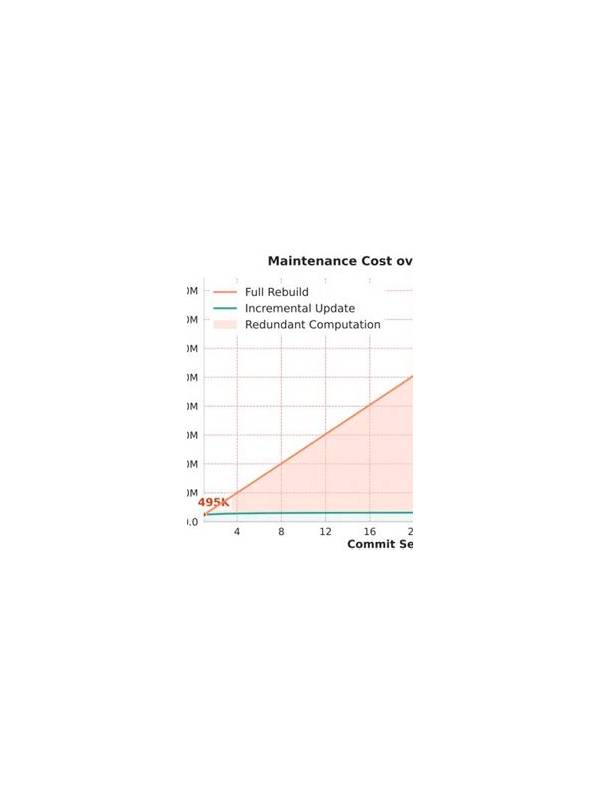
When a rummy hand is messy, you can rebuild from scratch or repair the current structure incrementally. A full rebuild clears old assumptions, while incremental repair preserves useful work. The best choice depends on whether your existing groups are reliable and how many cards must change.
A full rebuild is helpful when the hand was sorted incorrectly, several groups depend on the same card, or a new rule has invalidated the plan. Start by separating confirmed groups from uncommitted cards, then sort the remainder in a new way. The danger is discarding a sound structure merely because the hand looks untidy. A rebuild also consumes attention and can cause missed requirements.
Incremental repair is efficient when one or two weak links are obvious. Keep confirmed groups, identify the single biggest defect, and replace only the card or attachment responsible. This maintains continuity and makes the next review easier. Its danger is sunk cost: you may protect a weak idea because you have already spent turns on it.
Use a repair count to choose. If three or more important requirements depend on changing different parts of the hand, a rebuild may be clearer. If one requirement controls the problem and the rest is settled, repair is usually easier to verify. In either case, compare the final arrangement with the rules before declaring.
Practice both methods with sample hands and record where confusion begins. Do not judge them only by whether the missing card arrived. A robust method is one that leaves you with clear alternatives and a lower chance of a counting error. In money play, use free practice to test the method and never enlarge a limit after a failed repair. Use a simple inventory: confirmed groups, useful loose cards, and cards with no defined job. A rebuild starts by protecting the first category and reconsidering the other two. Incremental repair starts by selecting one item from the third category and asking whether it can be replaced without disturbing the first. This inventory prevents either approach from becoming a complete reshuffle.
Once you choose, commit for one review cycle. Switching between rebuild and repair after every draw creates its own noise. At the next meaningful card, evaluate again using the same criteria. Consistency gives your later audit something clear to measure. Whichever method you use, finish with a rule check. A tidy hand is not necessarily a legal hand, and a messy hand can contain a valid structure. Verify before deciding that more rebuilding is needed.