Rummy FAQ: What Is a Backup Sequence?
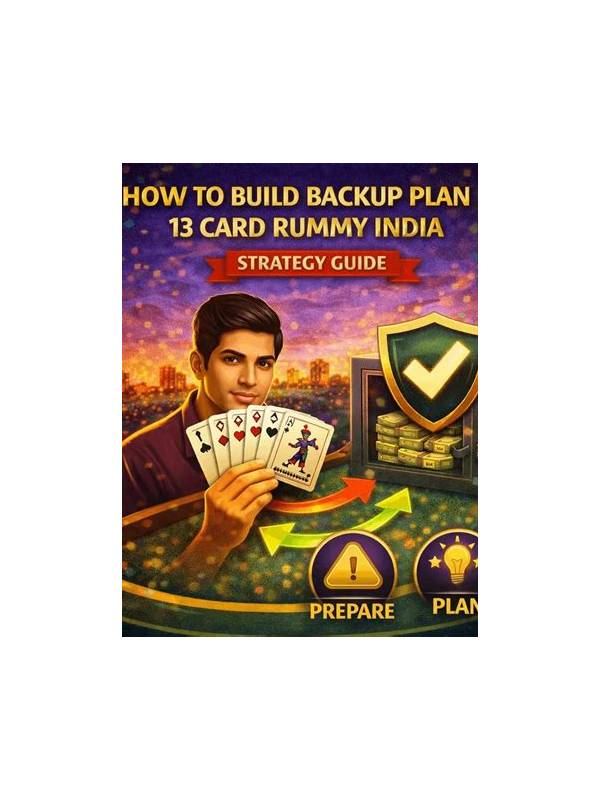
A backup sequence is a second, realistic way to organize part of a rummy hand. It is not a collection of random cards or an excuse to keep every flexible card. Its purpose is to give you somewhere sensible to go when the primary sequence no longer receives useful draws.
Suppose you are building a run around the five and six of spades. You may also hold a seven of diamonds and eight of diamonds, which form the beginning of a different run. The spade plan can remain primary while the diamond pair serves as a backup. If several turns pass without a spade improvement, the diamond plan may deserve more attention.
A good backup has three qualities. First, it uses cards that already have a connection. Two adjacent cards in one suit are usually more useful than two unrelated cards that merely share a rank. Second, it needs a manageable number of improvements. A backup that depends on one exact card from a crowded discard trail is weaker than it looks. Third, it does not block your main plan. If moving to the backup requires throwing away the only foundation of a required group, it is not a safe fallback.
Review your backup after each important draw. Ask whether it became closer, stayed unchanged, or lost its supporting card. A backup should become stronger as the main plan becomes less productive. Do not keep it indefinitely just because it once looked promising. Give it a deadline based on turns, visible discards, or the arrival of a better structure.
There is also a difference between a backup sequence and a spare card. A spare card can be useful in many arrangements, but it does not itself form a plan. Naming the backup helps you evaluate the hand honestly: you can identify its missing links and decide when to abandon it.
Use one primary plan and one backup for most hands. More than that can create clutter and make every discard feel dangerous. The goal is not to predict the future perfectly. It is to preserve a credible next step when the first idea stops working.
Choose a backup that is easy to explain in one sentence. These two cards can become a same-suit run if either neighbor appears is clearer than these cards might help later. That sentence gives you a test for future turns. If the required neighbors become unlikely, or if the cards lose their connection, release the backup. A fallback is valuable because it limits confusion, not because it guarantees a result.