Rummy Guide: Build a Three-Question Turn Routine
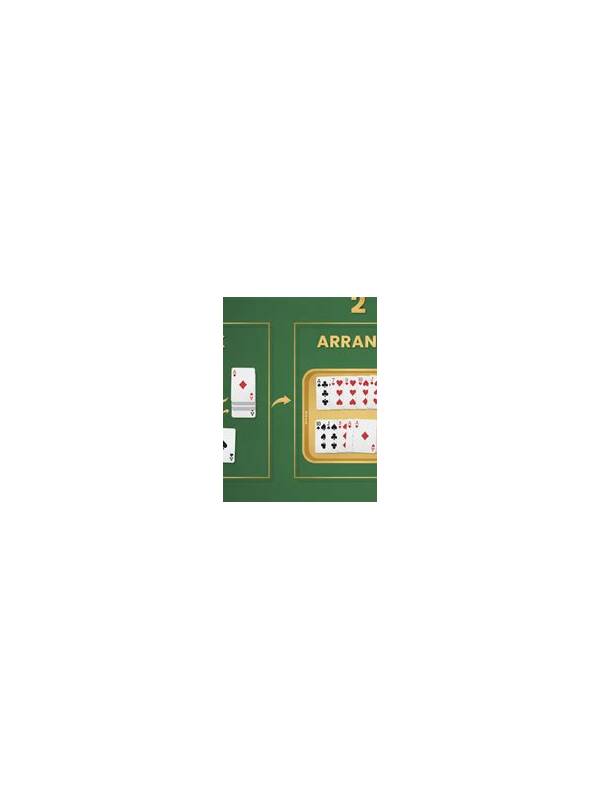
Many rummy turns feel difficult because several decisions arrive together: what to keep, what to draw, and what to discard. A compact routine gives those decisions an order. It does not promise a winning draw, but it helps you make choices that are consistent, explainable, and easier to review later.
Question one: what is already close?
Start with the structures you can see rather than the card you hope to receive. Look for a completed group, a near sequence, or a pair of cards that share more than one plausible connection. Separate these from isolated cards. This first question prevents a single attractive card from pulling your attention away from the shape of the whole hand.
Use ordinary language to describe the best current structure: “one card completes this sequence” or “these three cards can become a group if the right rank appears.” If you cannot describe the role of a card, it may be occupying space without a clear job.
Question two: what is the next useful improvement?
After identifying the strongest structure, name the improvement you are actually pursuing. A useful improvement might be a card that completes a sequence, turns a pair into a group, or creates a second route for an awkward card. Keep the list short. If a hand appears to need six different cards, the problem may be that the plan is too broad.
This question also helps with the draw decision. A card from the discard pile is valuable when it advances a stated plan, not merely because it looks connected. If it creates a new possibility while abandoning the existing plan, ask whether the new route is clearly better or just more exciting.
Question three: what will I release if nothing improves?
Before drawing, identify a likely discard. This is a useful test of commitment. If you cannot name any card to release, you may be holding too many competing ideas. Choose the least useful card by considering penalty, flexibility, and practical connection to the rest of the hand.
The planned discard is not permanent. A new card can change the calculation, especially when it completes a reliable structure. The point is to avoid making the discard for the first time under time pressure.
A final ten-second check
Once you have answered the three questions, check that the move follows the table’s rules and that the discard does not accidentally expose an important card to an opponent. Then act. After the hand, record only whether the routine produced a clear choice and whether your assumptions were accurate. Repeating this process turns a vague habit into a practical decision tool.