Rummy Guide: Sort Hand Jobs Before Choosing a Discard
The first discard in rummy often feels like a small decision, but it establishes the shape of the whole hand. A useful opening habit is to map your cards before you decide what to release. The map does not need to be written down. It is a short inventory of completed groups, promising links, isolated cards, and cards that serve more than one purpose.
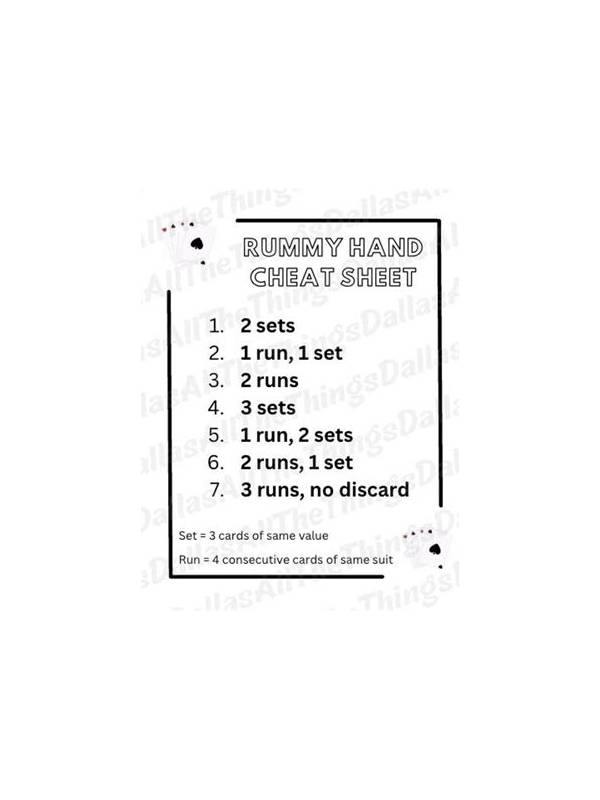
Begin with obvious structures. Put completed sets and runs mentally in one category, then mark cards that are one step from joining one. A six and eight of the same suit, for example, has a possible middle connection, while a card with no nearby rank or matching copy is currently isolated. Do not call a promising card valuable simply because it looks attractive. Ask how many plausible cards could improve it and whether those cards are likely to remain available.
Next, identify flexible cards. A seven can sometimes connect to a six or eight, and a repeated rank can support several suit choices. Flexible cards deserve protection early because they keep your options open. However, flexibility is not an excuse to keep every possibility. If one card supports three weak ideas while another supports a nearly complete group, the nearly complete group may deserve priority.
For the first discard, compare the isolated cards by cost. Consider point value, usefulness to an opponent, and the chance that keeping the card helps your own plan. A high card with no connection is often an easy candidate, but a lower card can be worse if it completes a likely opponent sequence. The best release is the card with the weakest combination of personal value and informational risk.
Repeat the map after every meaningful draw. Your hand changes when one card arrives, and the old plan may no longer be the best description. A simple map prevents you from making a new decision through the assumptions of the previous turn. It also makes your discards easier to explain: you are releasing the card with the fewest credible jobs, not merely reacting to its face value.
It can help to use a fixed order for the map: completed groups first, nearly complete groups second, flexible links third, and isolated cards last. This prevents an exciting new possibility from hiding a group that is already doing useful work. If two cards look equally weak, choose the one that leaves your remaining hand easiest to read on the next turn. Clarity is a practical advantage because it shortens future decisions and makes it easier to notice when the plan has stopped working.