Rummy Guide: Use Odds Language Without Predicting the Deck
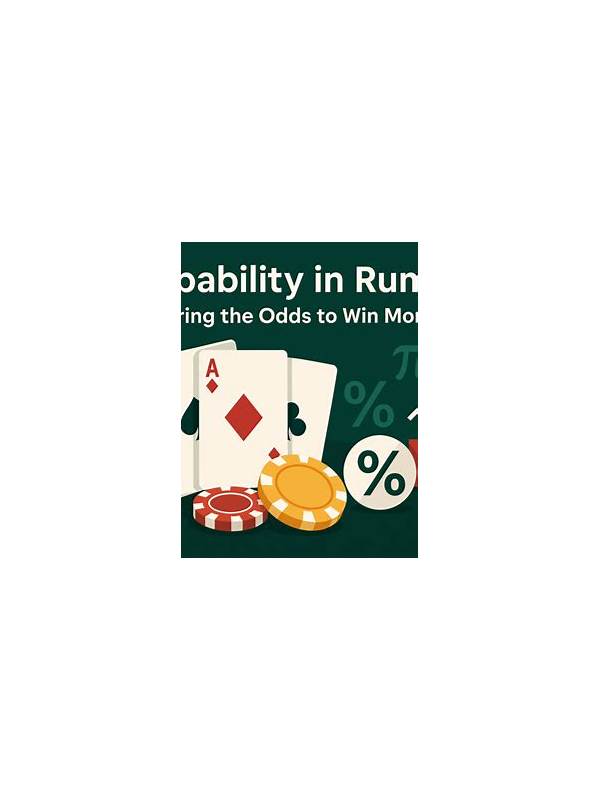
Probability can make rummy reasoning clearer, but it is easy to use confident language that the cards do not support. Saying that a draw is “possible” is different from saying it is “likely,” and neither statement guarantees what will happen next.
Begin with observable counts. Identify the cards that would improve a route and the number of unseen cards that could still contain them, if the format and information allow a reasonable estimate. If you do not know enough to count, use softer language such as “several routes remain” or “this depends on a narrow draw.” Honest uncertainty is more useful than a precise-looking guess.
Separate chance from value. A route may have many improving cards but produce a weak or unfinished hand. Another route may have fewer improving cards but complete a required group with less repair afterward. Ask both questions: how often might this improve, and what would improvement accomplish?
Avoid the gambler’s fallacy. A card that has not appeared is not automatically due, and a card that appeared recently is not automatically less available in a shuffled deck. Visible discards can update the information you have, but they do not create a schedule for unseen cards.
Use ranges when comparing plans. “Broad draw with moderate benefit” and “narrow draw with high benefit” are better labels than invented percentages. Add a deadline: if the narrow route receives no support by a certain turn, change plans. This converts uncertain information into a controlled decision.
After a hand, review the wording you used. Did “likely” really mean that several useful cards existed, or did it merely reflect excitement? Replace unsupported certainty with a description of the evidence. Probability language should keep you flexible, make assumptions visible, and reduce the urge to treat one successful draw as proof that the original prediction was correct.
It can help to replace predictions with conditional statements. Say, “If this route receives either of these two ranks, it improves; otherwise I will release the weakest card,” rather than, “I will probably draw what I need.” The conditional version remains useful when the draw misses. It gives you a prepared response and makes the real uncertainty visible instead of hiding it behind a forecast.
This style also helps in conversation with other players because it distinguishes a shared fact from a private expectation. You can discuss the route without claiming that the deck owes anyone a particular card. That restraint supports better review and more respectful table talk.