Rummy How-To: Build a Last-Card Declaration Check
A last-card declaration check is a short pause before submitting a finished-looking hand. It is designed to catch structural mistakes, not to encourage endless rearranging. Build it around the rules of the format you are playing and use the same order every time.
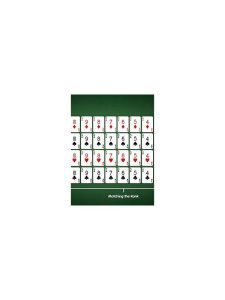
First, count the cards and confirm that every card is in exactly one intended group. A card that seems to connect two groups can hide an uncompleted requirement. Separate groups physically or visually if the interface allows it. Then identify the required sequences, including any pure or natural sequence requirement that applies to the rules.
Second, verify each group by name. For a sequence, check suit and consecutive order. For a set, check the rank and the permitted suit pattern. If jokers are allowed, say which missing card each joker represents and confirm that the substitution is legal. Do not let a group pass merely because it looks balanced or symmetrical.
Third, inspect the leftover risk. Ask whether a card was included because it was convenient rather than because it belonged. Recount the total after every rearrangement. If the platform displays a confirmation summary, read it instead of clicking through automatically. When anything is unclear, consult the published rules or stop and ask official support rather than guessing.
Practice the check with sample hands until it takes less than a minute. After an error, change one checklist question rather than adding ten new ones. A compact routine is easier to use under pressure. Keep play legal, avoid rushing because of a promotion or countdown, and never increase a stake to compensate for a missed declaration. Use the checklist even when the hand appears obvious. Familiar patterns are where counting errors often hide, especially when a joker or repeated rank makes the arrangement look complete. A calm, identical sequence of questions is faster than repairing a rejected declaration or explaining an avoidable mistake afterward.
If an interface highlights invalid groups, treat the message as a prompt to consult the actual rules rather than clicking randomly. Take a screenshot only if permitted and avoid exposing account identifiers. Reliable verification is part of the play skill. Run the check before the final click, not after a rejection. If you feel rushed, pause and verify the published rules. A countdown is never a reason to submit a hand you have not checked. That pause protects both accuracy and confidence. Use the same order every time.