Rummy Comparison: Manual Notes Versus Mental Markers
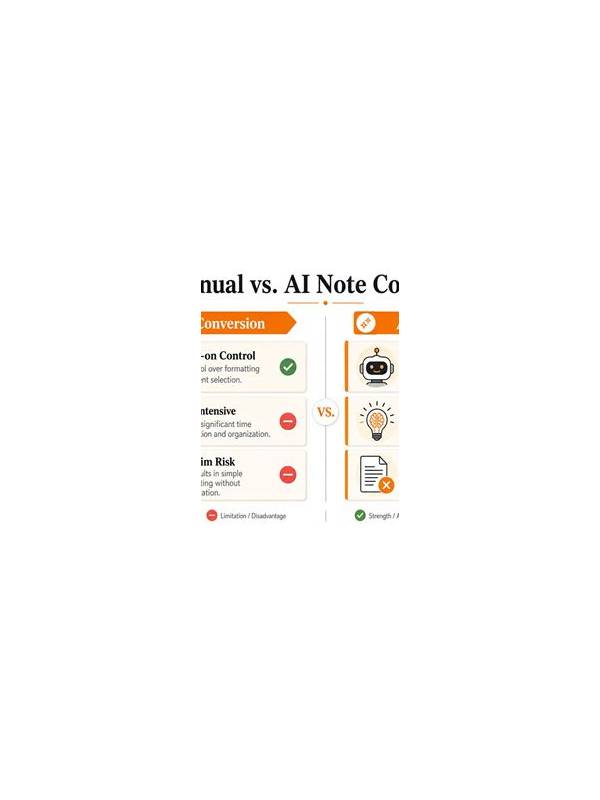
Players often choose between writing a few notes and tracking everything mentally. Manual notes can preserve evidence, while mental markers keep the table simple and fast. The best method depends on the format, your memory, and whether note-taking is allowed by the relevant rules.
Written notes are valuable for practice. You can record a hand’s starting plan, one discarded connection, and the reason for a switch. This creates material for review instead of forcing memory to reconstruct every turn. Notes also help separate what you saw from what you inferred, which is important when a final result creates hindsight bias.
Mental markers are better when the table is quick or writing would distract you. Use a small vocabulary: confirmed, open, tested, and release. Attach one marker to a group rather than attempting to remember every possible card. The limitation is that stress and fatigue can erase distinctions, especially after a surprising discard or a long session.
A hybrid method works well for many learners. During play, use two or three mental markers. Immediately after the hand, write the single decision that changed the route and the evidence behind it. Do not record private information or anything prohibited by the platform. The purpose is reflection, not an attempt to gain an unfair advantage.
Compare methods by consistency, not by one successful hand. Does the method help you notice assumptions, release weak cards, and stop reviewing once a group is settled? If notes make you slower and anxious, simplify them. If mental tracking repeatedly loses the same fact, add one permitted written cue. Practice in free sessions and keep time and spending limits separate from the note-taking experiment. There is no need to write a complete transcript. A useful note might say, “kept connector after two routes closed; released high card next turn.” That sentence preserves the decision and its reason. Avoid notes that merely praise or blame yourself, because they are difficult to compare and encourage outcome-based thinking.
If you practice online, check the platform’s rules before using any written aid during a live hand. Some formats prohibit notes or outside tools. When in doubt, keep tracking for study after the hand rather than using it to influence play. Fairness and account security matter more than a detailed record. Keep notes short enough that they can be reviewed in one sitting. A large archive can become another distraction. The best record is the smallest one that helps you identify a repeated decision pattern.