Rummy Guide: Map the Table Before Your First Draw
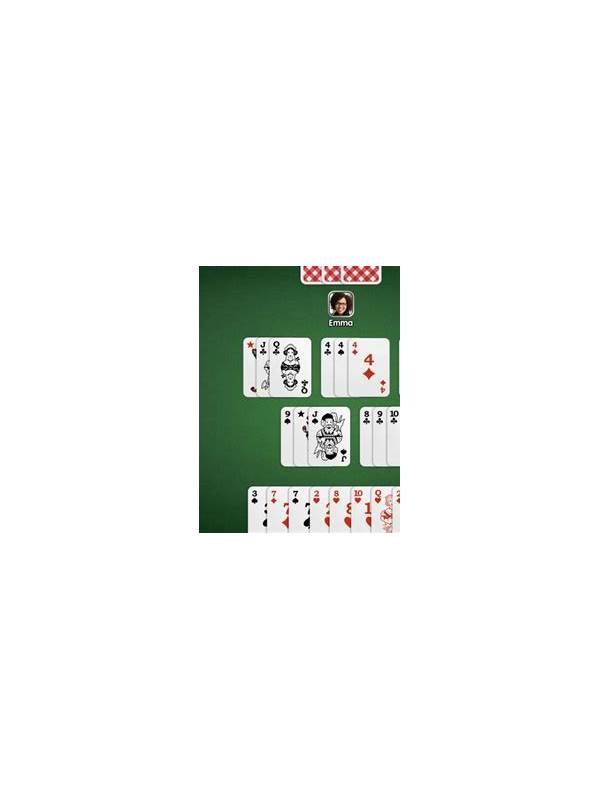
Before making a first draw in an online rummy hand, spend a moment mapping the table. This does not mean trying to predict every card. It means creating a small, usable picture of the information already visible: your hand, the open discard, the draw source, the turn order, and any time or score limits.
Start with your own cards. Sort them by suit or by the groups you are considering, then identify cards that belong to more than one plausible sequence. A six can connect to a five or seven, but its value depends on what else you hold. Mark those flexible cards mentally instead of committing them to a group too soon.
Next, note the top discard. Ask whether taking it would improve a group immediately or merely make a tempting pair. That distinction matters. A card that completes a useful sequence has a clear purpose; a card that only looks interesting can keep you tied to a weak plan.
Look at the table rhythm as well. If several players have passed on a particular type of discard, that is not proof that the card is useless, but it may be a reason to avoid building a plan around it. Keep observations modest. Online play gives incomplete information, so a table map should guide attention, not create certainty.
Finally, check the practical conditions. Confirm whose turn it is, how much time remains, and whether the interface has registered your last action. A strong card decision can still fail if a hurried click selects the wrong source or if an unstable connection leaves the hand waiting.
Use the map again after every draw. Remove assumptions that no longer fit and keep only two or three live plans. This small routine reduces clutter, protects flexible cards, and gives each turn a clear question: which available card most improves a realistic arrangement?
If the interface offers sorting or grouping tools, use them before making a decision, but verify that the display has not hidden a card. On a small screen, zooming or rotating the device can help you read suits and ranks accurately. Record the map in your own words rather than trusting a visual arrangement that may change after a draw. The aim is a compact mental model that survives the next action. Refresh it whenever a public card changes the likely routes. An early impression should guide attention, not become a fixed prediction. Refresh the map whenever a public card changes the likely routes. Early impressions should guide attention, not become fixed predictions.