Rummy Tips: Make a Decision Log With Neutral Language
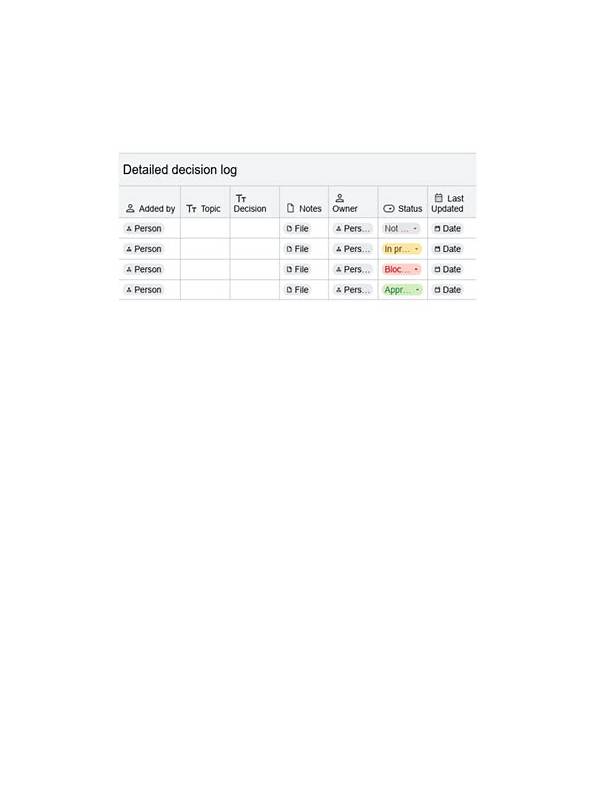
A short decision log can improve rummy practice, but the wording matters. Notes such as “terrible move” or “lucky opponent” describe emotion rather than evidence. Neutral language keeps the record useful and makes patterns easier to find later.
For each important choice, write four facts: the hand structure, the candidates you considered, the reason for your choice, and the later information that appeared. Keep the reason specific. “I discarded the isolated high card because it had no active group and left a lower-cost fallback” is more useful than “I played safely.”
When recording the result, separate outcome from evaluation. Write “the needed card appeared two turns later” rather than “I should have waited.” The first statement preserves what happened. The second may be true, but it requires a further comparison with the alternatives that were visible at the time.
Review several entries together. Look for repeated issues such as keeping speculative cards too long, forgetting visible discards, or failing to identify a fallback. Also note successful processes, even when the hand lost. A sound decision that produced a poor result is still evidence that the process may be working.
End every review with one testable question. You might ask whether an earlier release trigger helps, or whether a second discard check reduces avoidable mistakes. Keep the log private and simple enough to maintain. Neutral language turns a sequence of uncertain hands into a record of decisions, evidence, and small experiments.
Review the log at a scheduled time rather than immediately after every emotional hand. A short delay makes it easier to describe the position accurately and reduces the temptation to rewrite the note to match the result. Over multiple sessions, the record can show whether a change is helping. If it does not, discard the experiment and test a different question without treating that as failure.
Use the same vocabulary each time for ideas such as direct out, flexible link, isolated card, and fallback. Consistent words make entries easier to search and compare. Keep identifying details out of the log if other people could access it, and never include account credentials or payment information. The best log is brief, private, and honest enough to show both good processes and decisions that need another test.
Every few sessions, summarize the most repeated lesson in one sentence and choose whether to keep testing it. Retire notes that no longer describe your current format or rules. A decision log should evolve with your play, but old entries can remain useful as examples when they are clearly dated and labeled.