Rummy FAQ: How Many Plans Can One Hand Support?
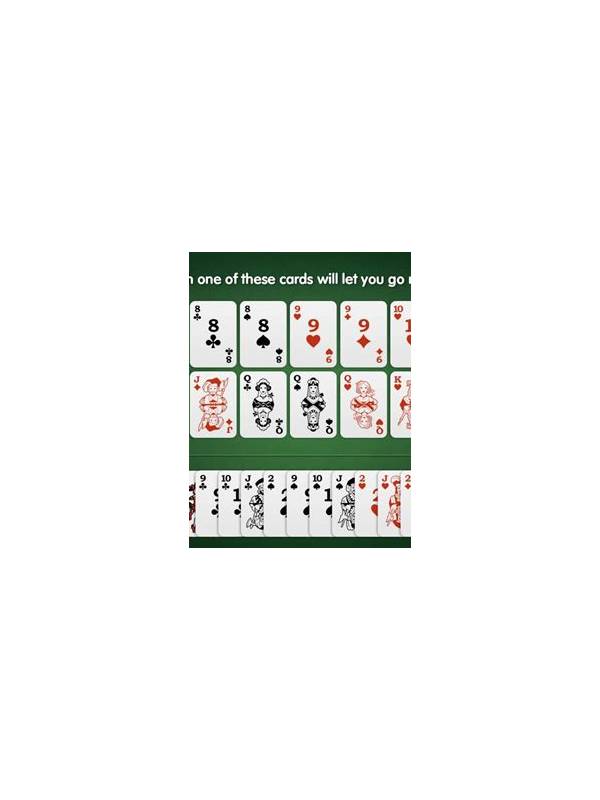
There is no fixed number of plans a rummy hand should support. The practical limit depends on how many cards you hold, how complete the groups are, and whether the plans share useful cards. A hand with two strong routes may be flexible; a hand with five vague ideas may be confused.
Begin by naming each route in concrete terms. “Maybe a sequence” is too broad. “This pair can join one of two nearby ranks” is clearer. If you cannot explain what card would improve a route, it is probably not an active plan. Remove it from your mental list and judge the card on its other roles.
Shared cards can make two plans efficient when they are genuinely compatible. They can also make the plans compete. If both routes need the same card, count that dependency once and recognize that you do not have two independent chances. If one route can be completed while the other remains a fallback, the structure is more resilient.
Limit the number of active plans as the round progresses. Early uncertainty can justify two or three credible routes. Later, choose a primary route and one fallback, then release cards that belong only to abandoned ideas. This reduces hesitation and gives each draw a clear test.
The goal is not to eliminate flexibility. It is to make flexibility legible. A hand supports as many plans as you can compare honestly without forgetting their dependencies, timing, or discard costs. When you cannot explain a plan’s next useful card, it is likely taking up space without providing real protection.
One practical method is to assign each active plan a primary card and a backup card. If a plan has neither, label it as an idea rather than a route. This simple distinction keeps your hand flexible without giving equal attention to every possibility. When a route loses both its primary and backup support, release its cards unless they have gained a new role elsewhere.
Plans should also have different priorities. Choose one route to test first, then keep one fallback if it remains credible. This does not mean ignoring a useful draw for the fallback; it means knowing which route gets the benefit of a close decision. Priority reduces mental clutter and makes your discard reasoning clearer. If the primary route weakens, promote the fallback deliberately instead of drifting between both.
Keep plans small enough to update. A route that requires a long explanation may be too complicated for the current hand. State its next card, its fallback, and its release condition in a few words. If you cannot do that, simplify the route or treat it as speculation. Clear plans are easier to compare, abandon, and replace when the next draw changes the evidence.